BRIDAL COLLECTION – LONG DRESS
Long Wedding Dress
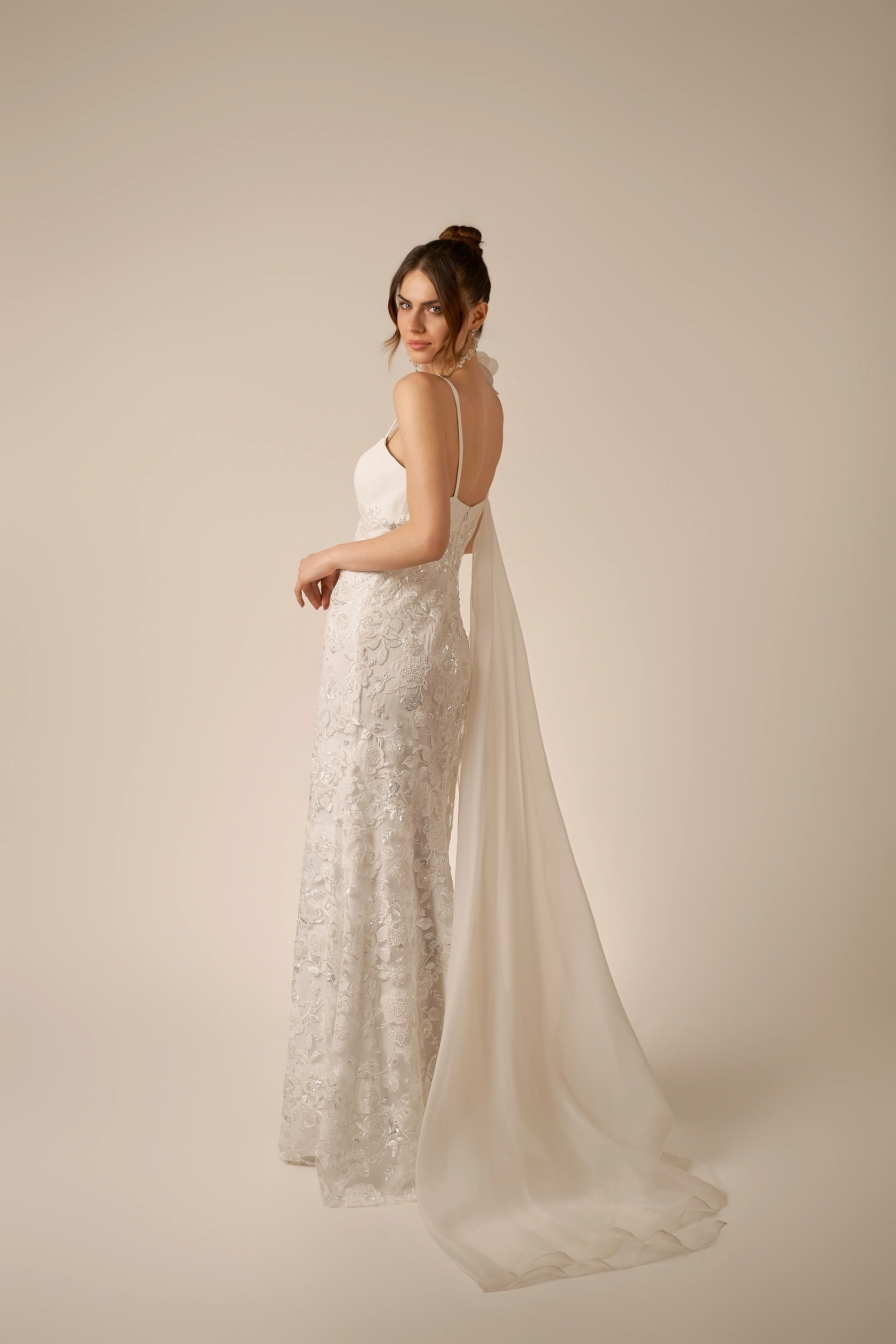
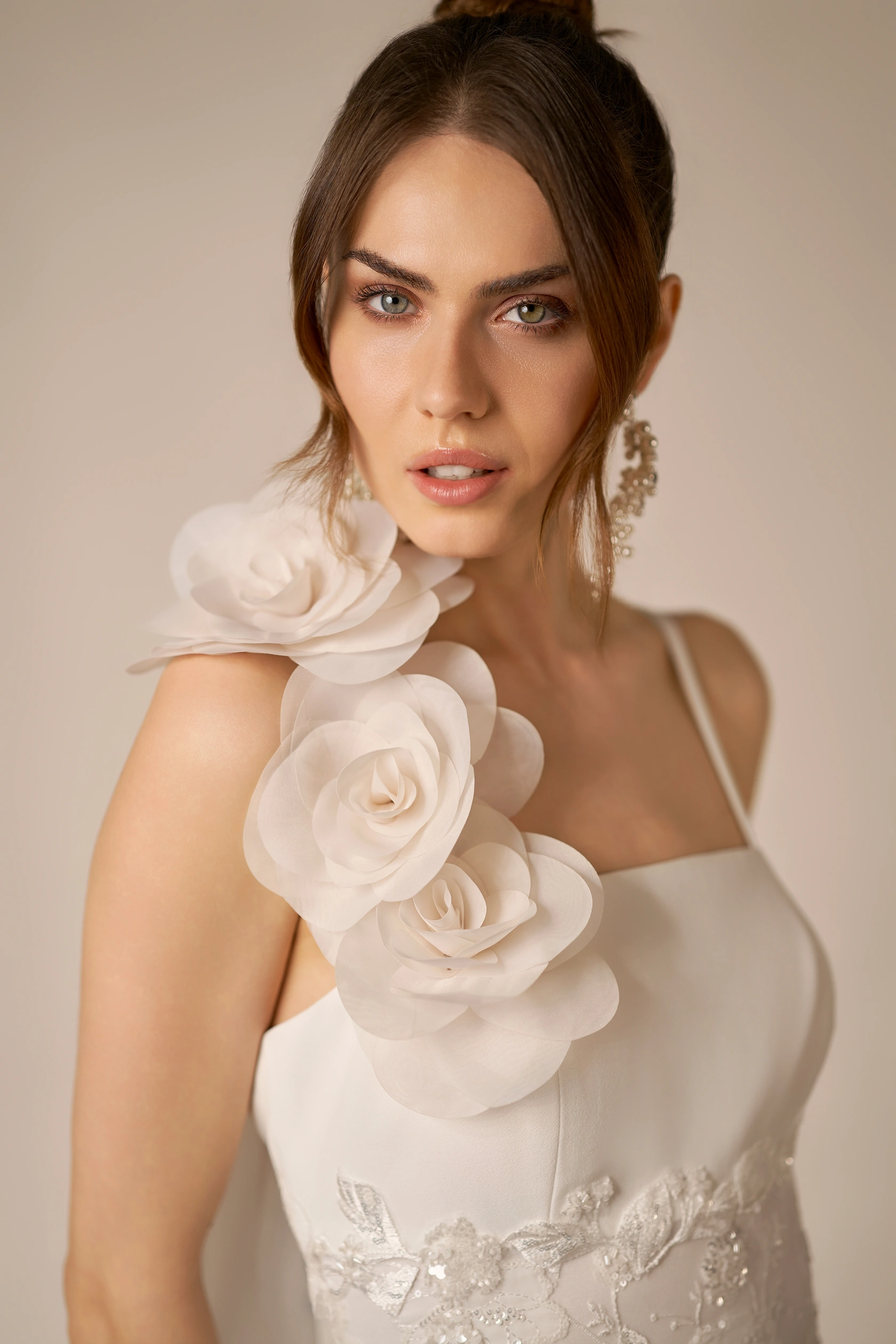
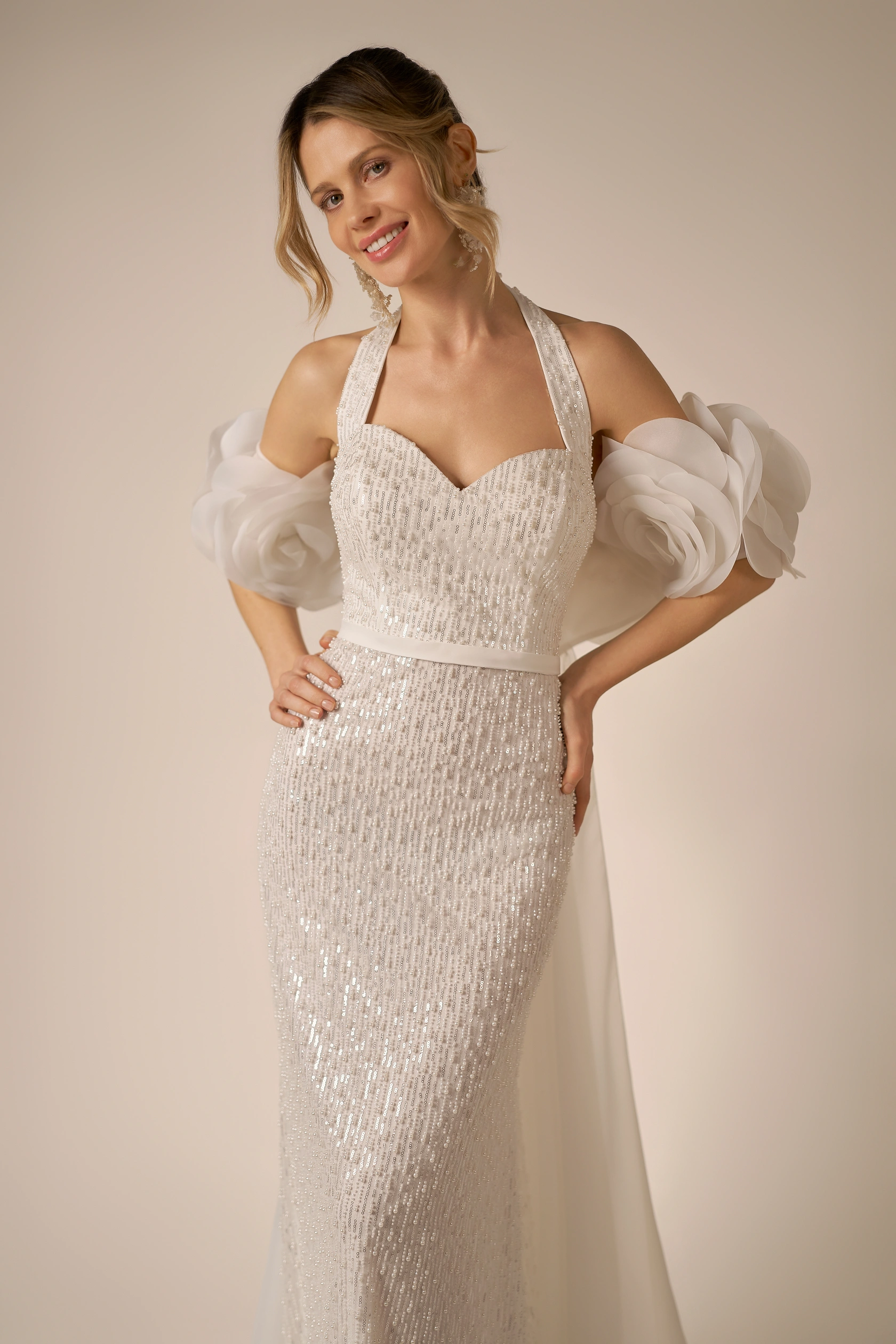
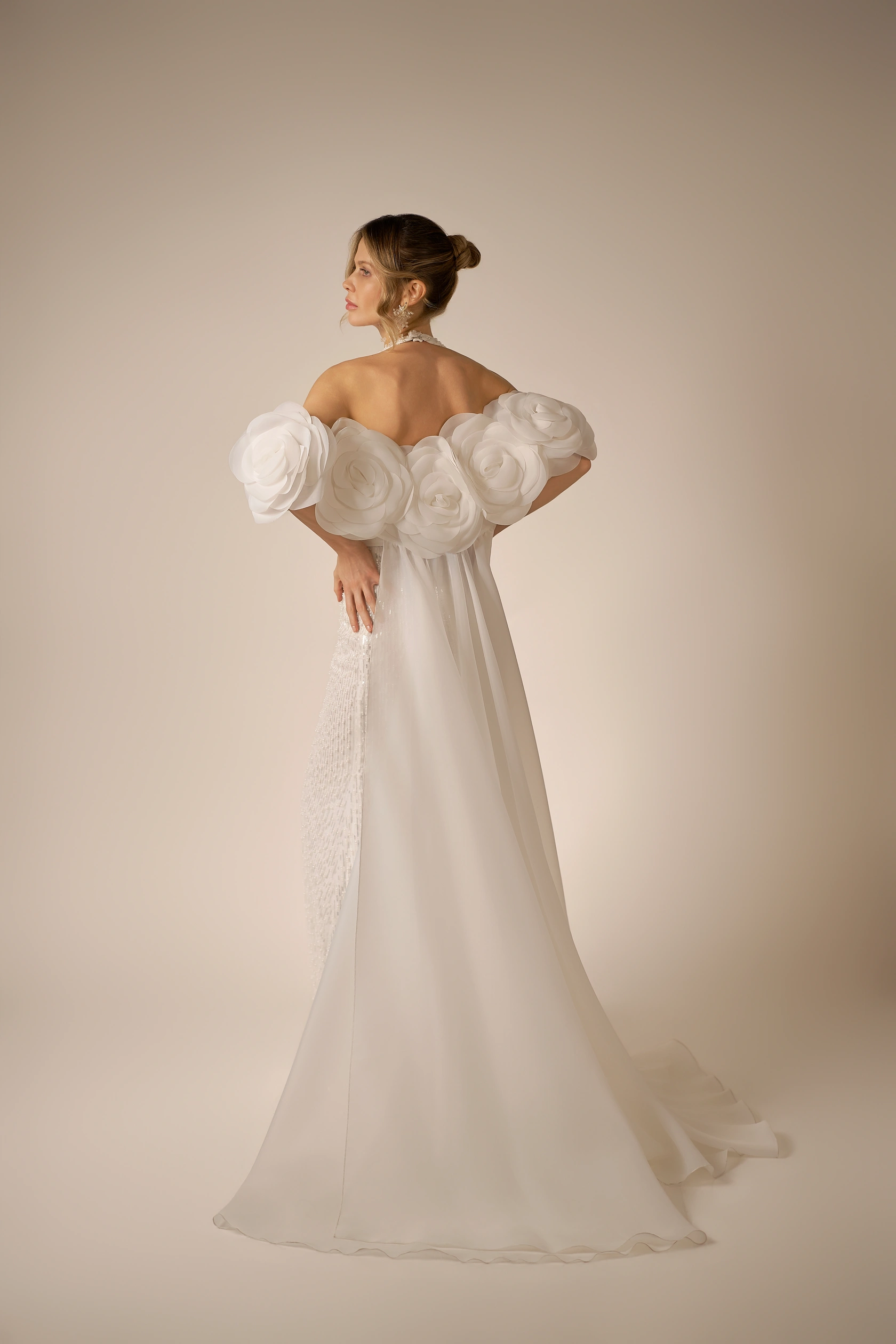
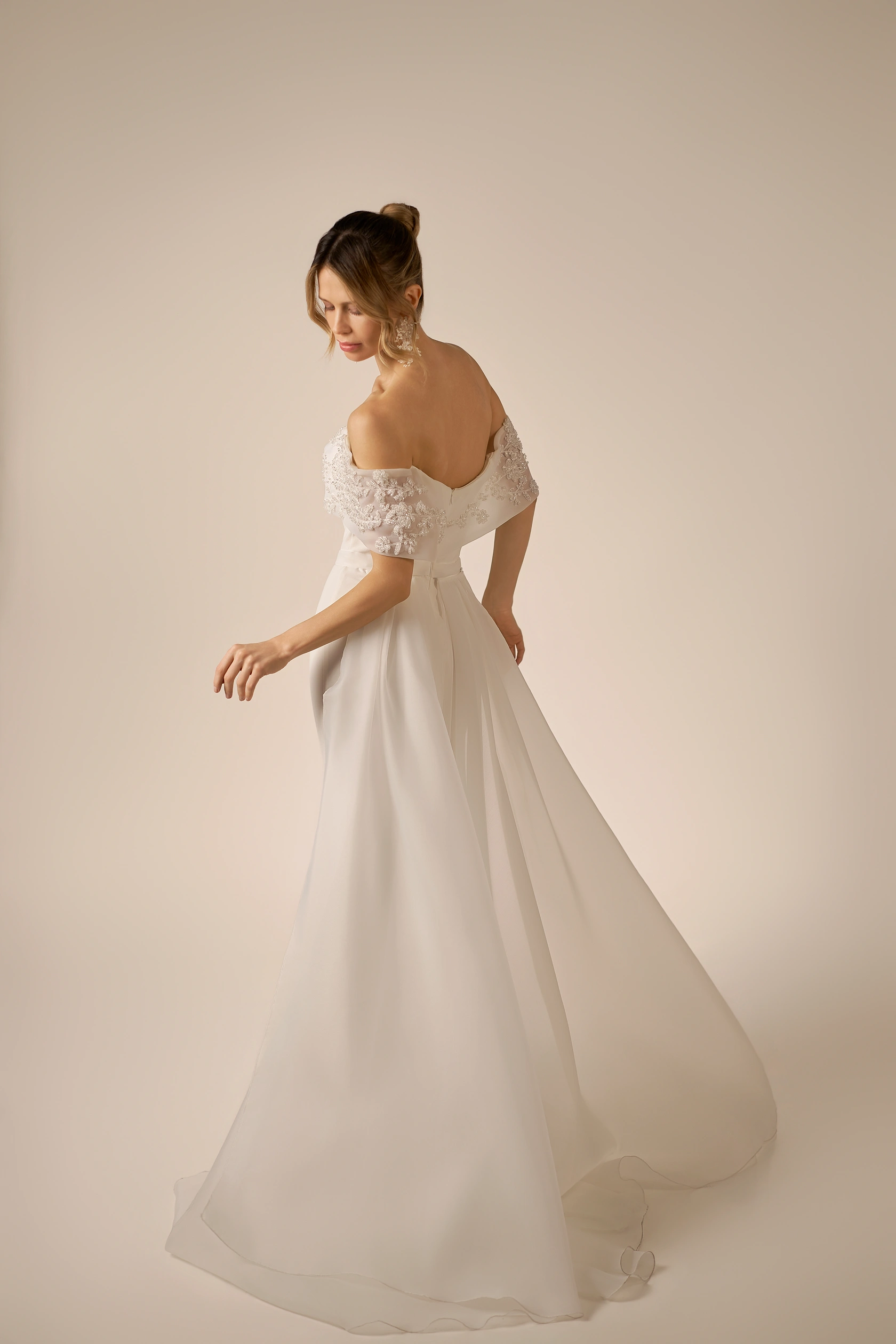
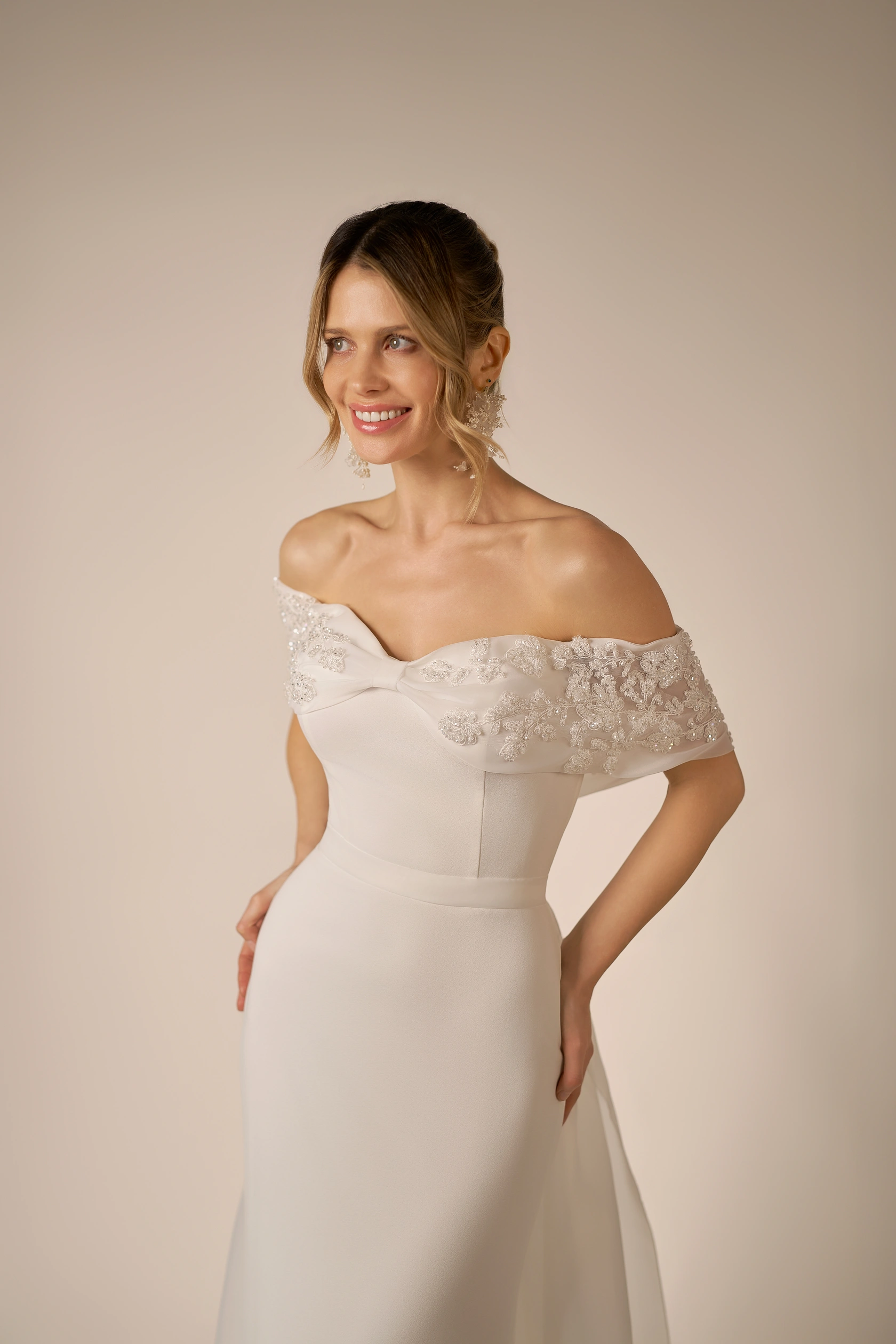
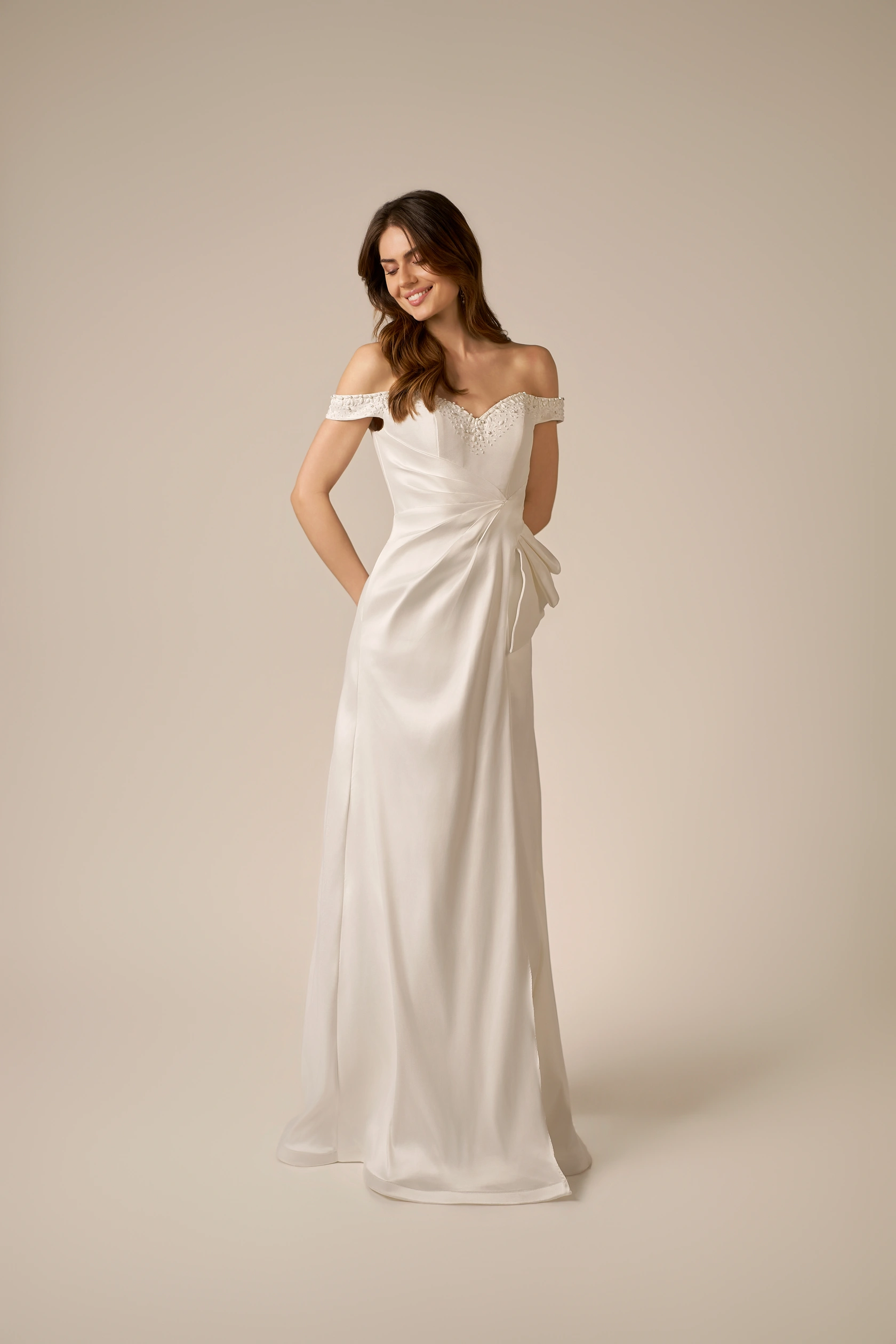
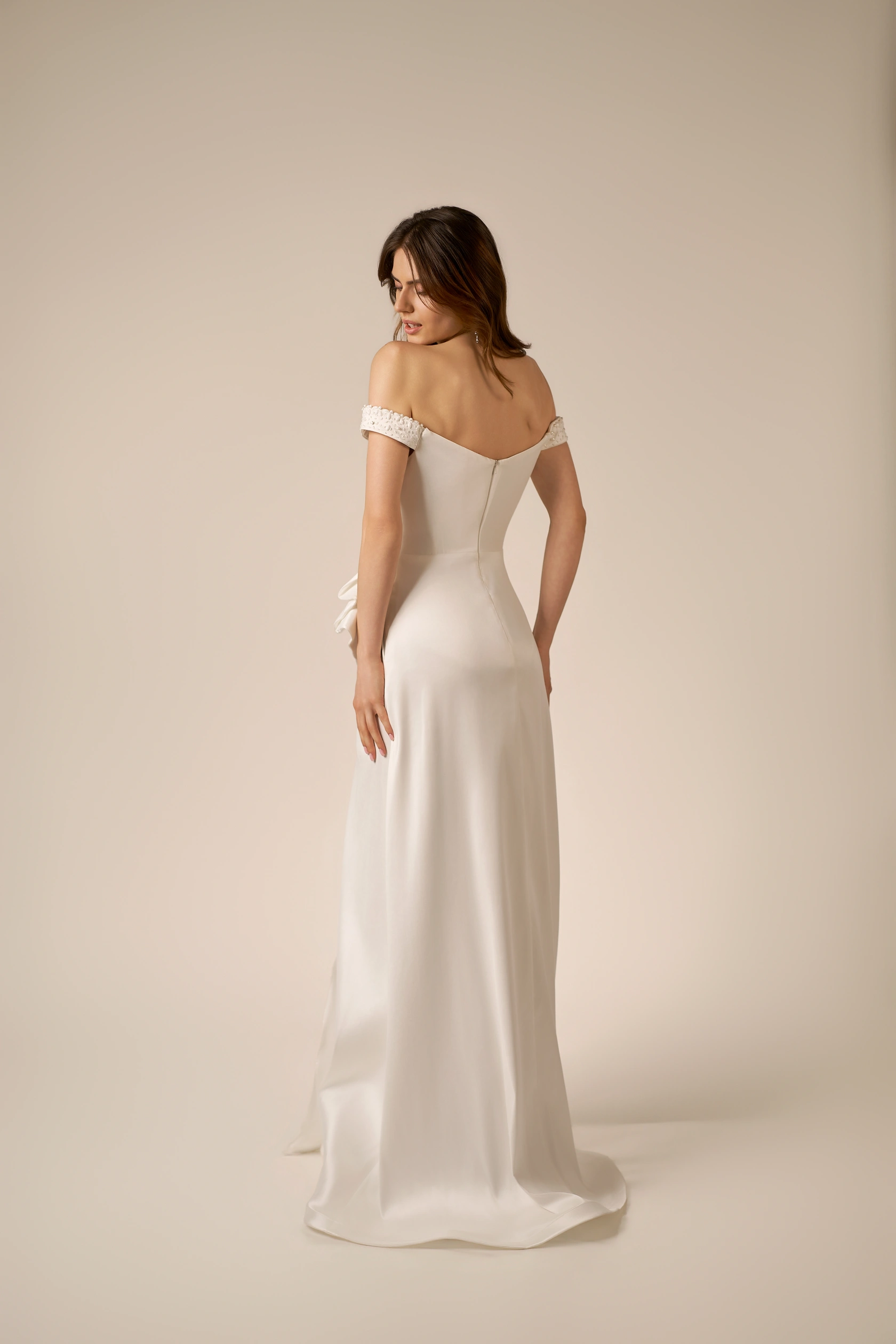
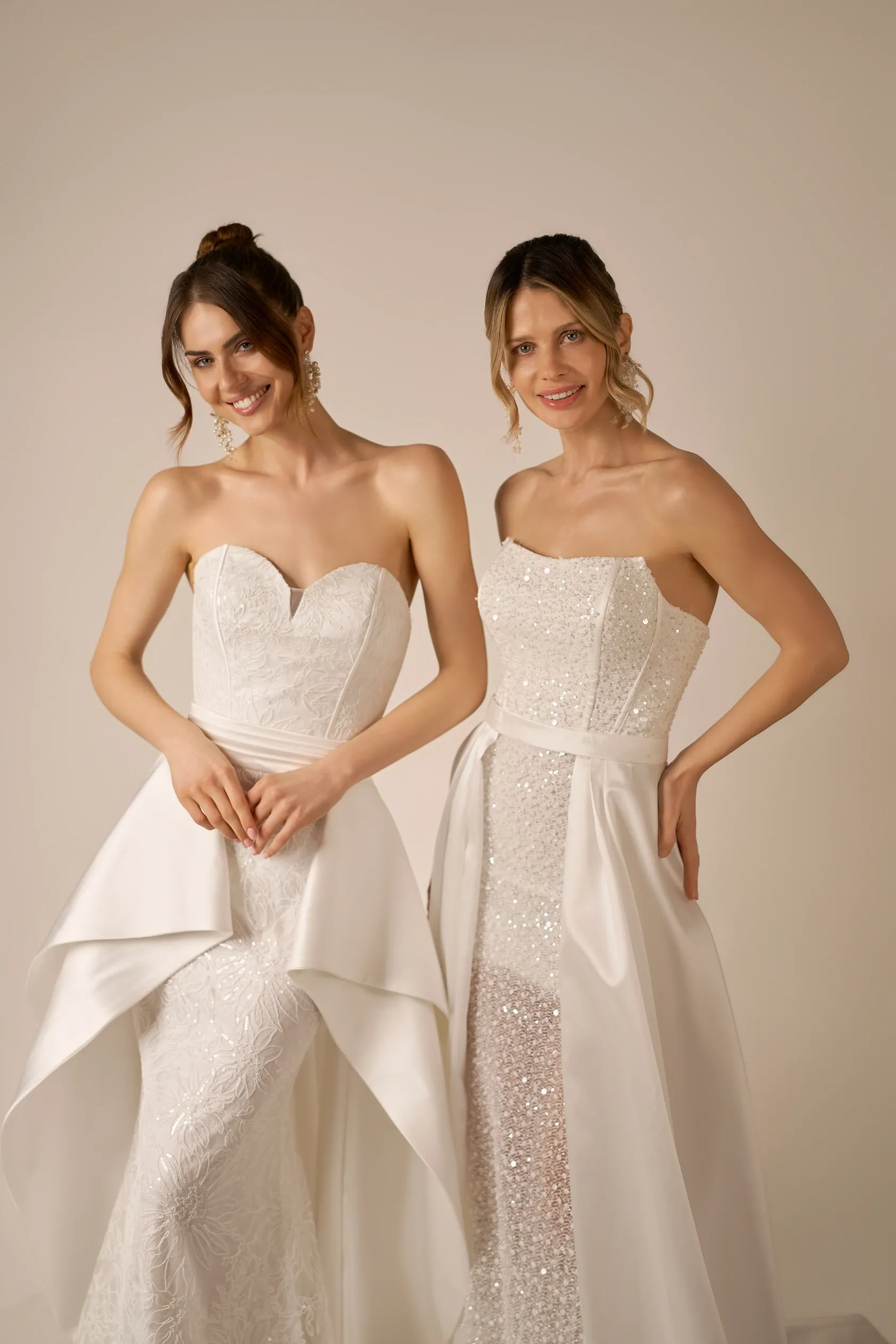
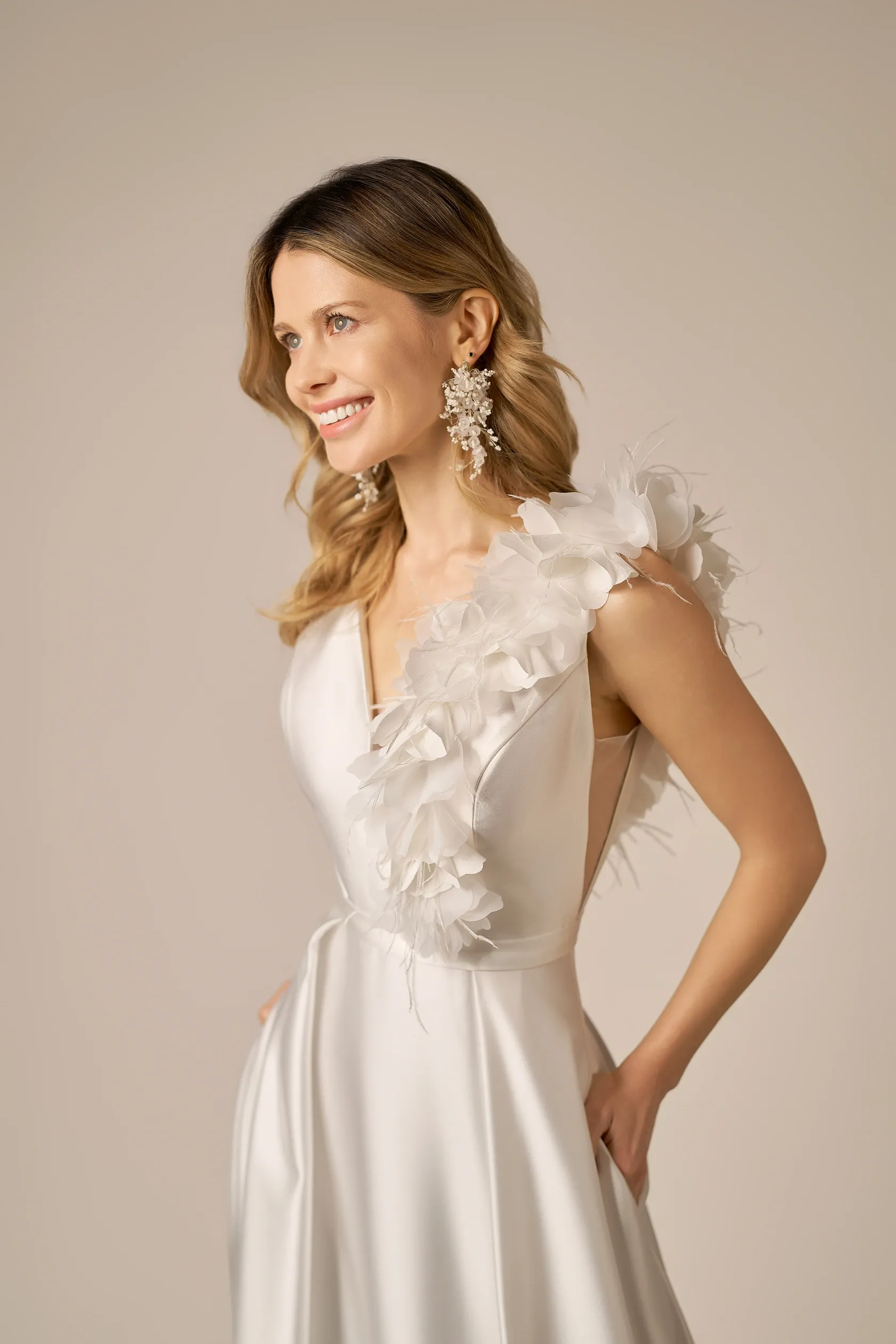
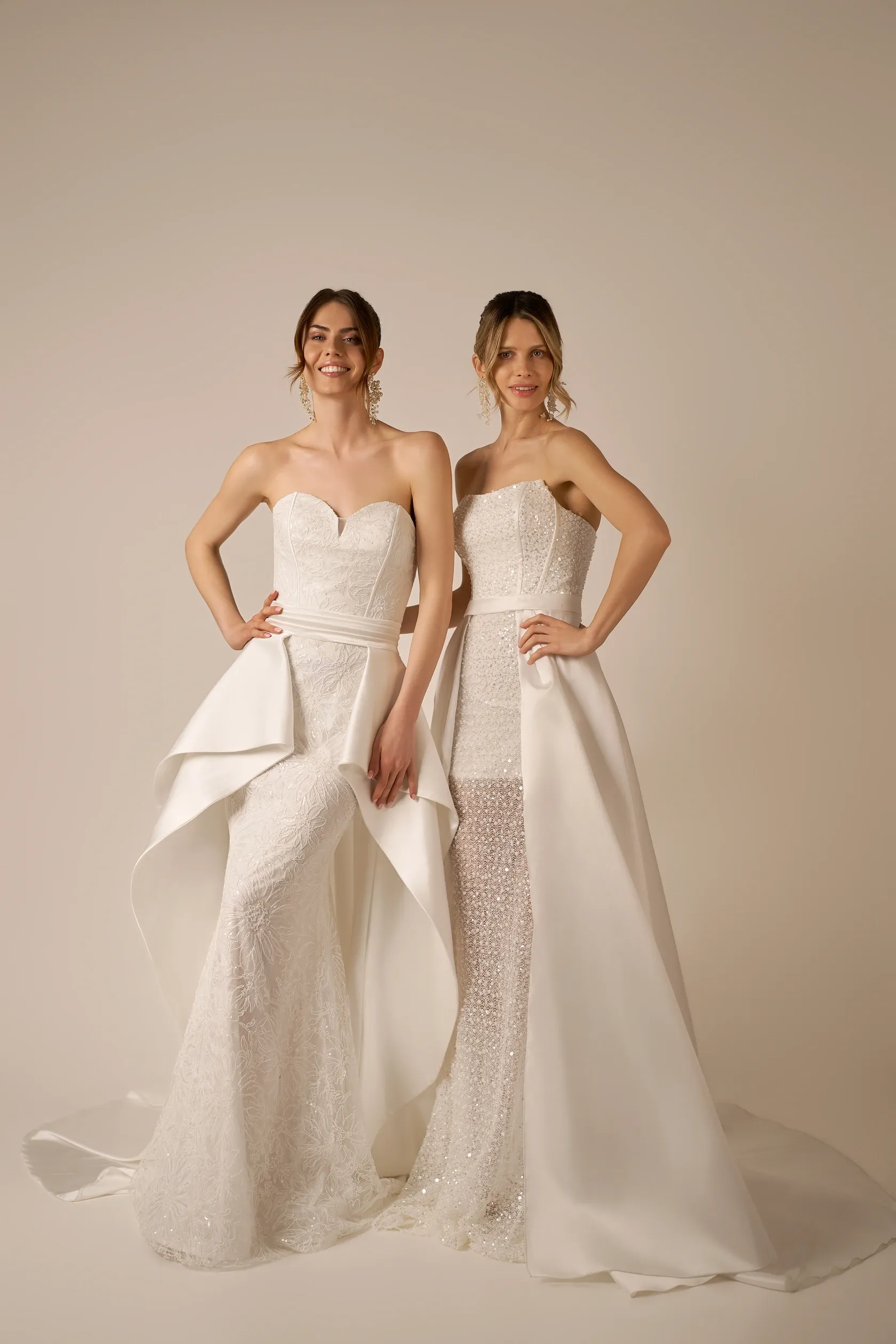
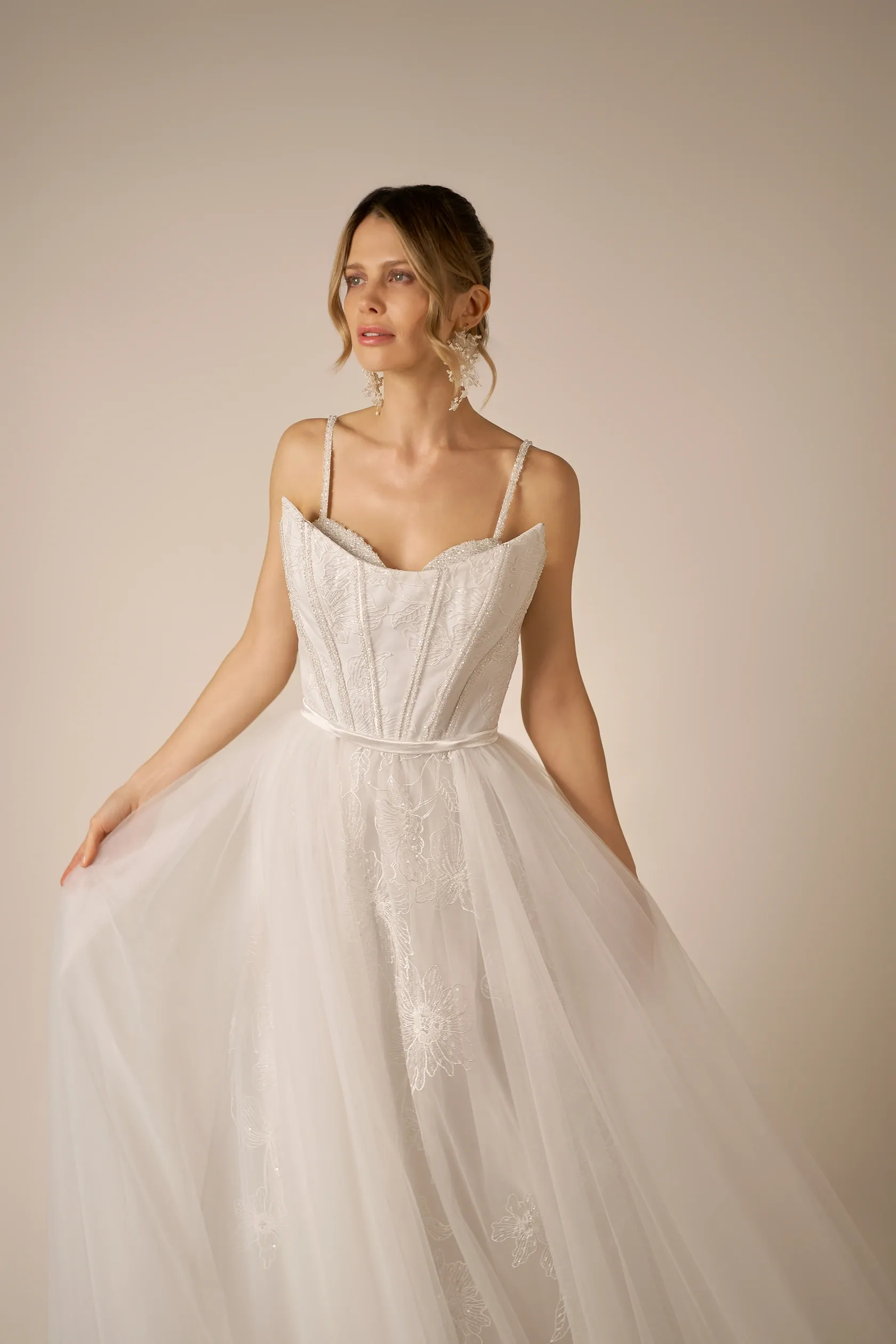
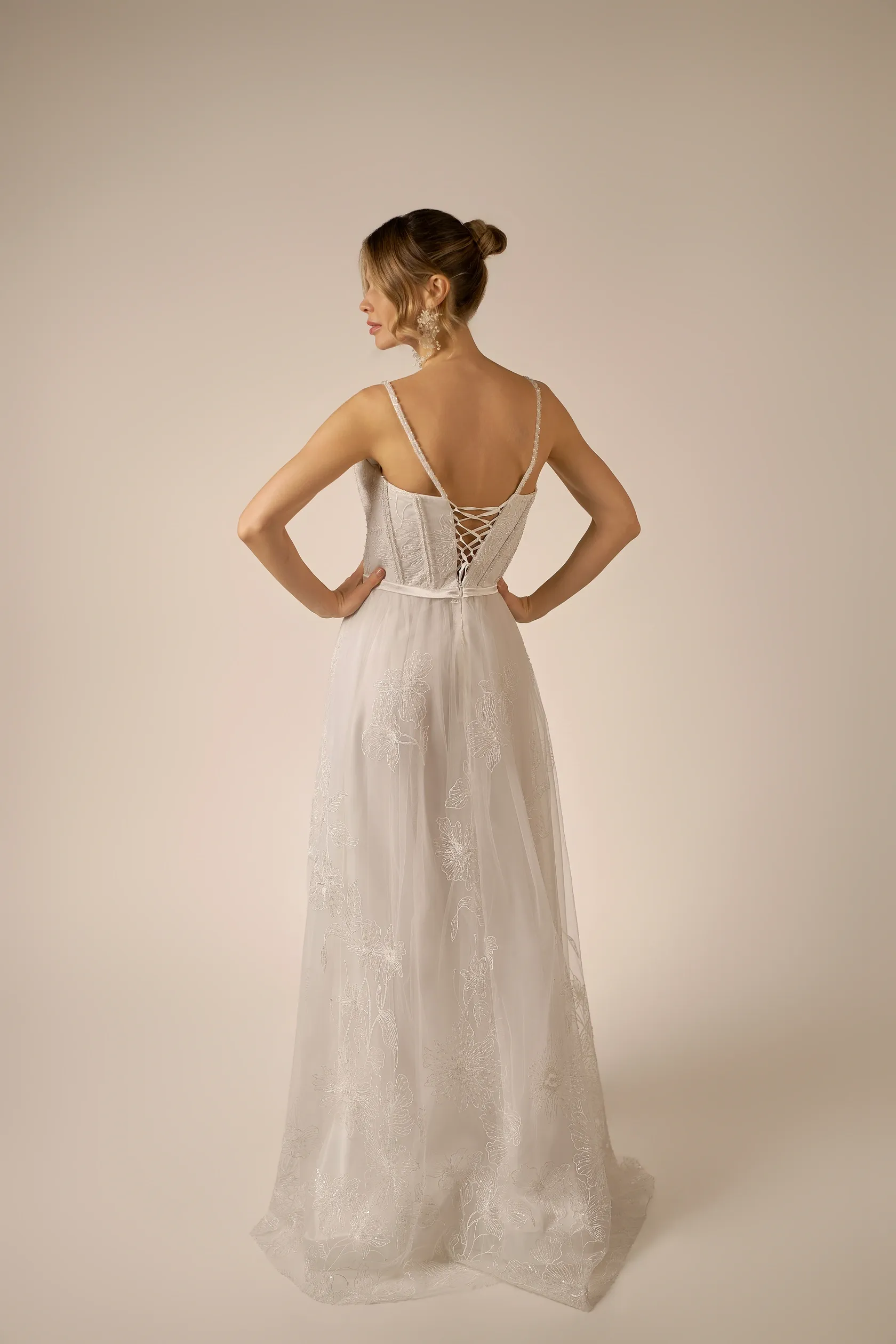
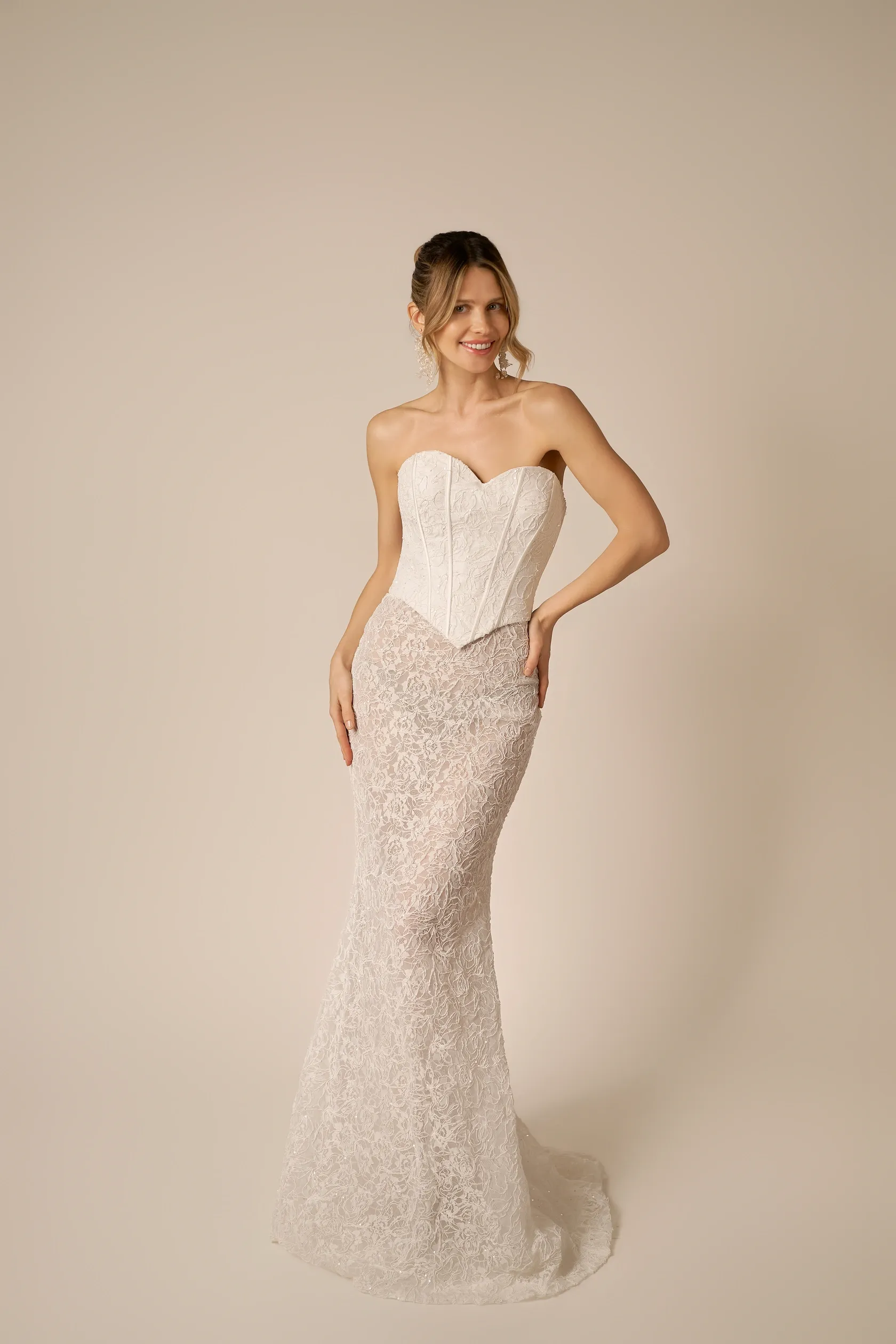
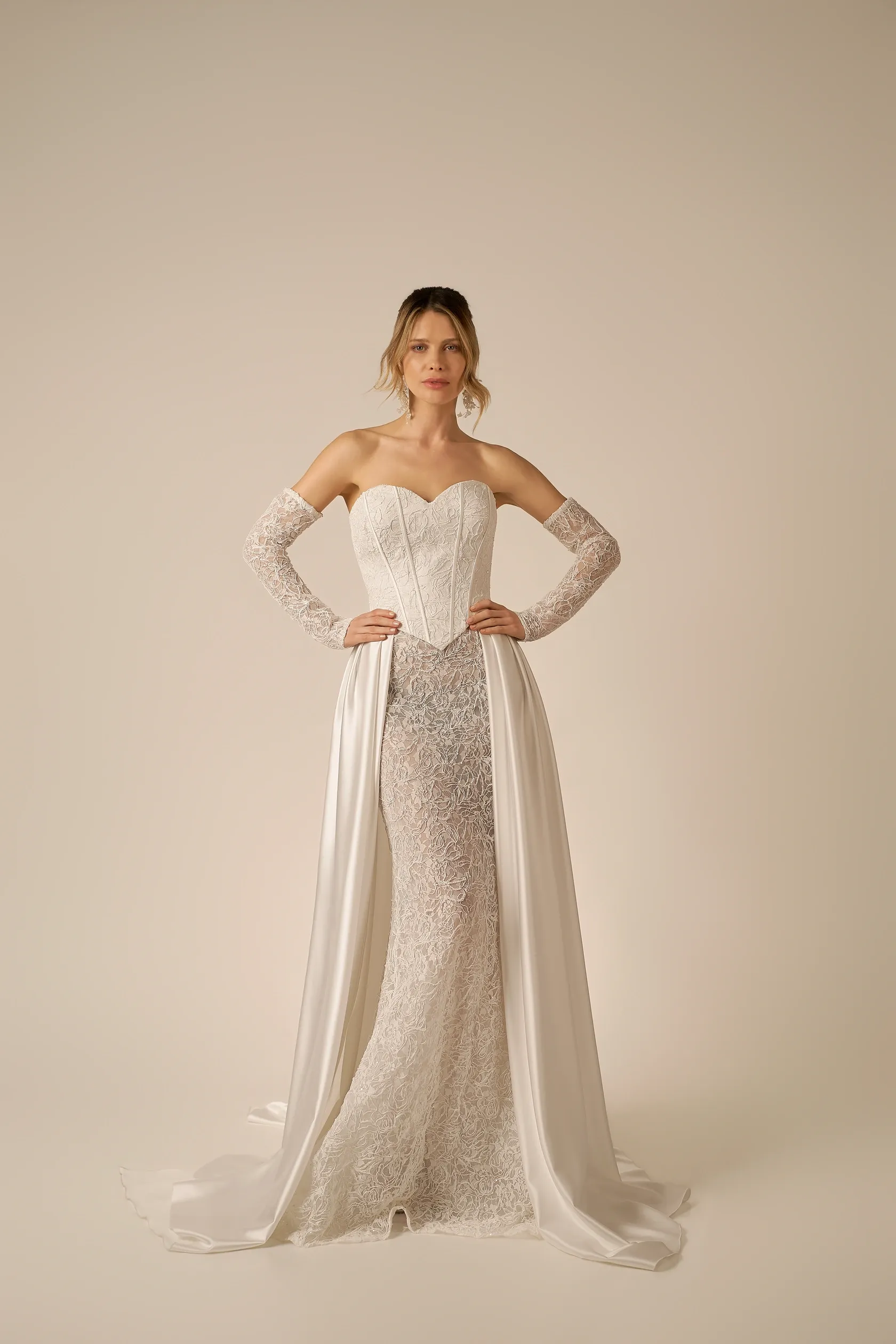
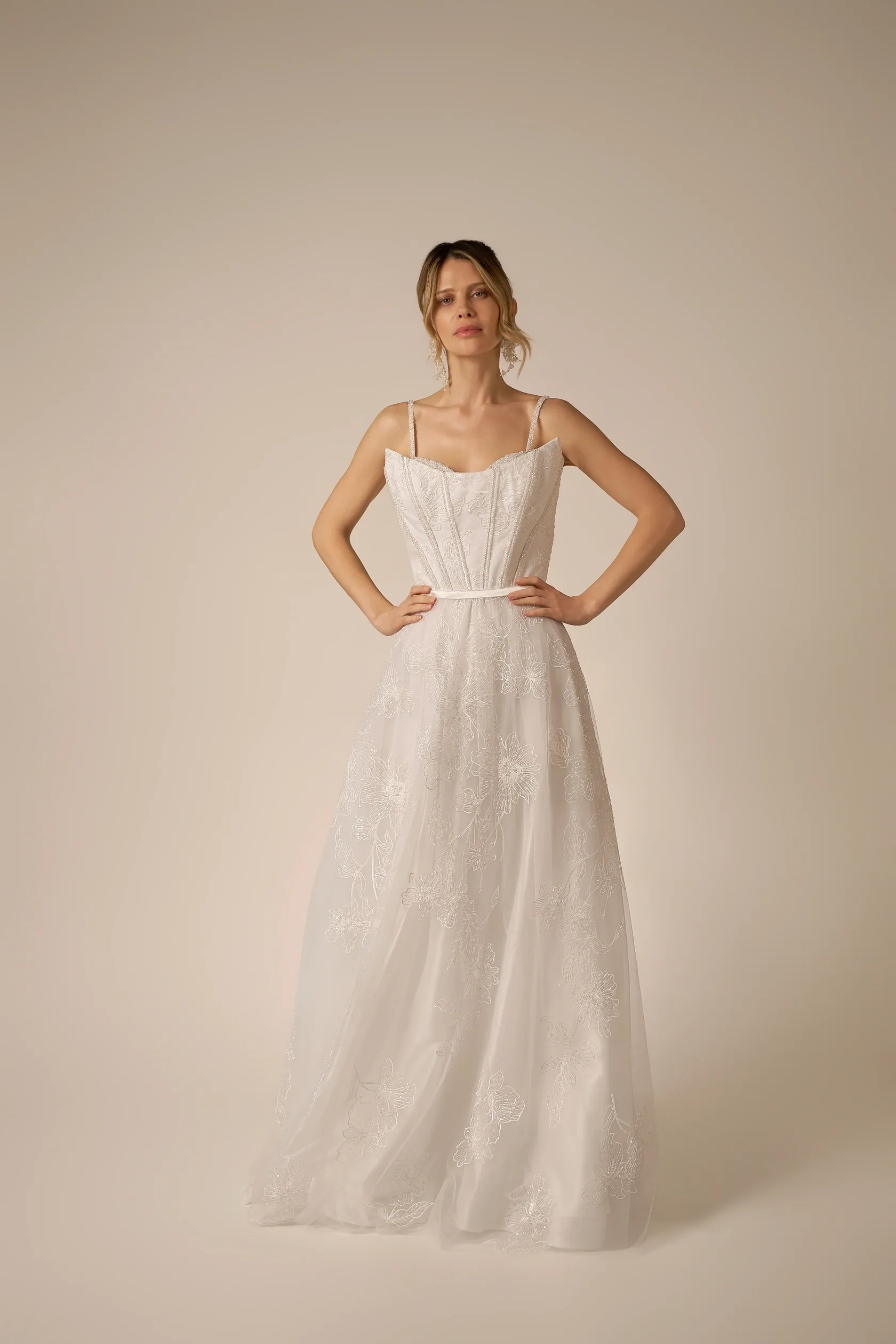
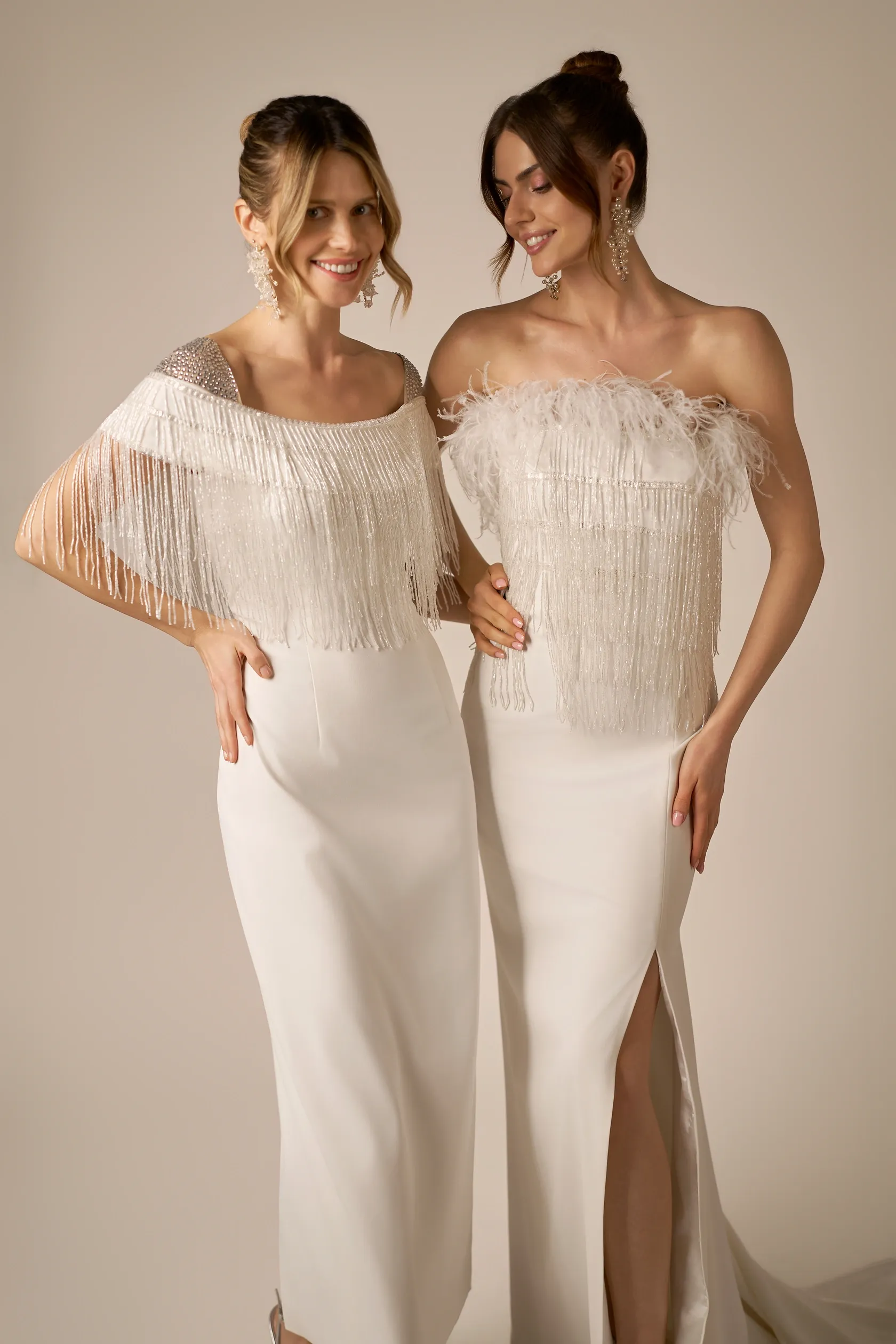
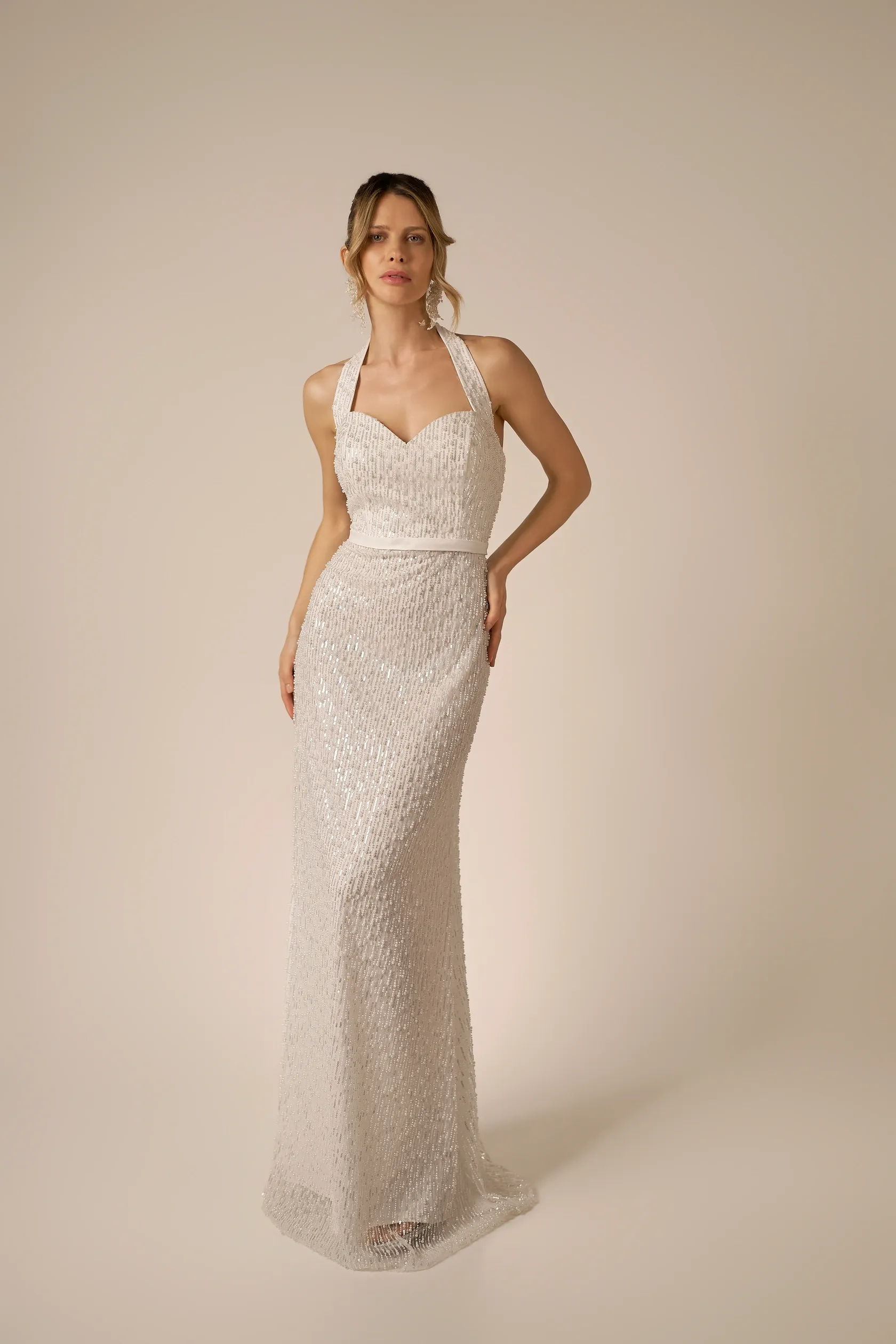
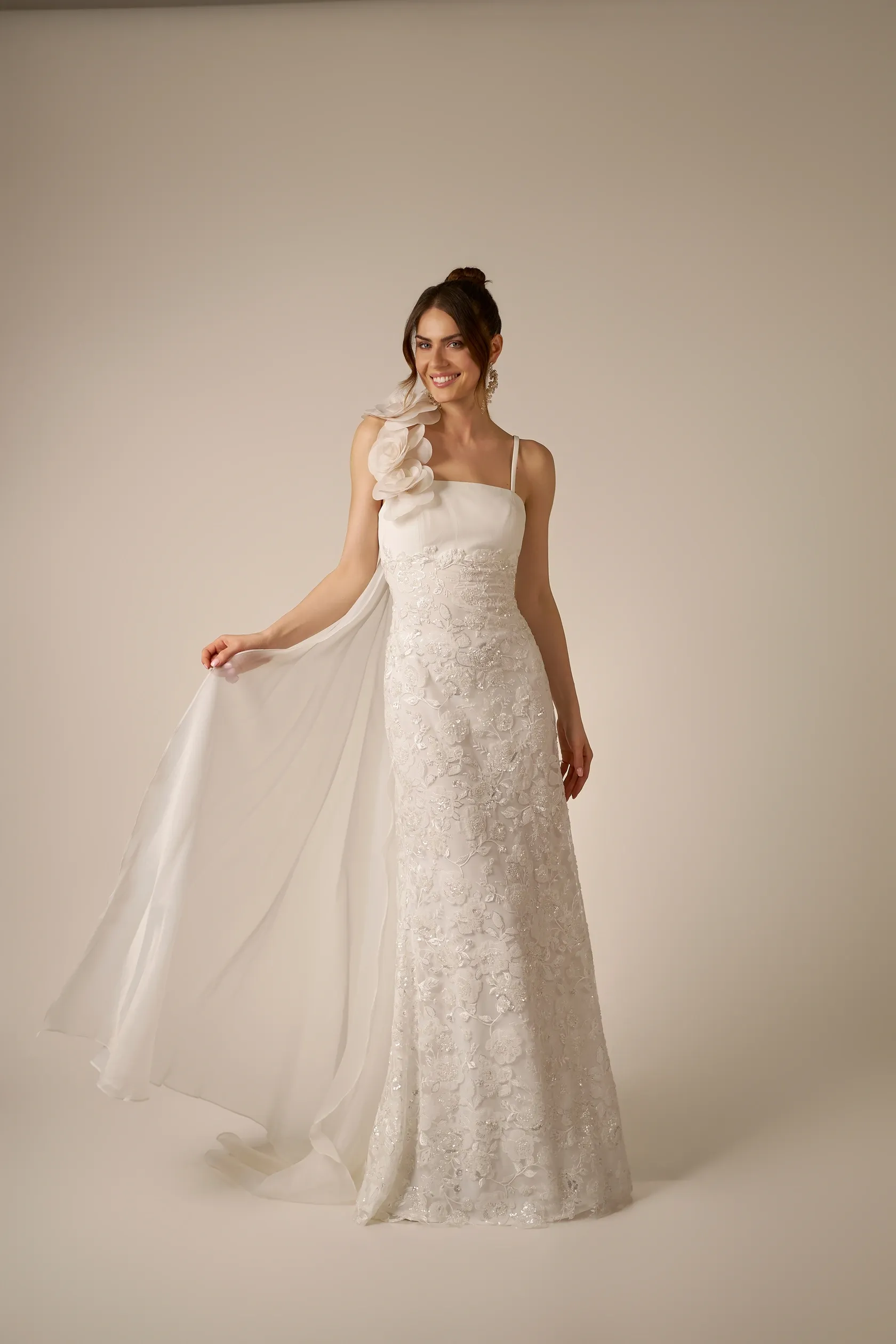
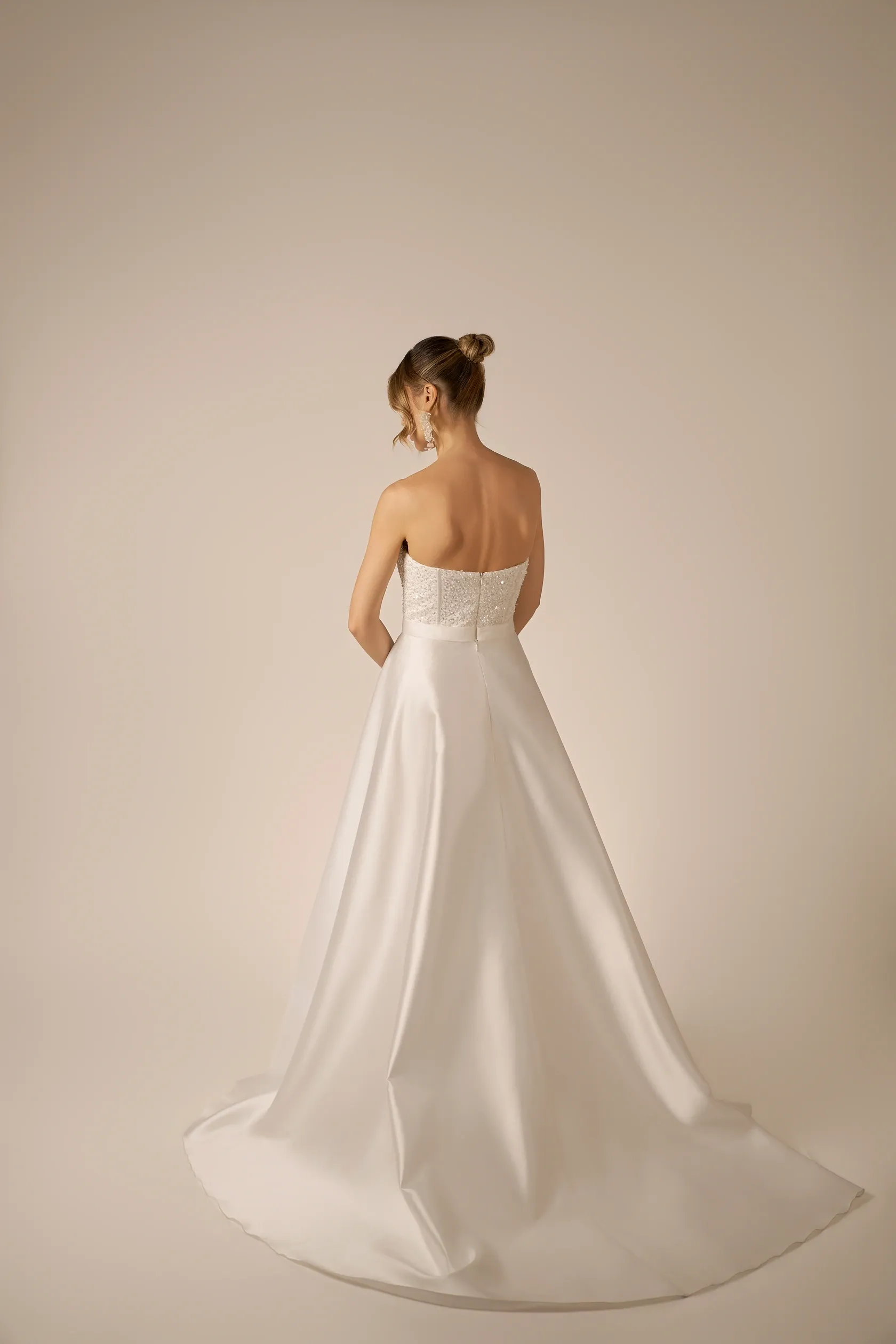
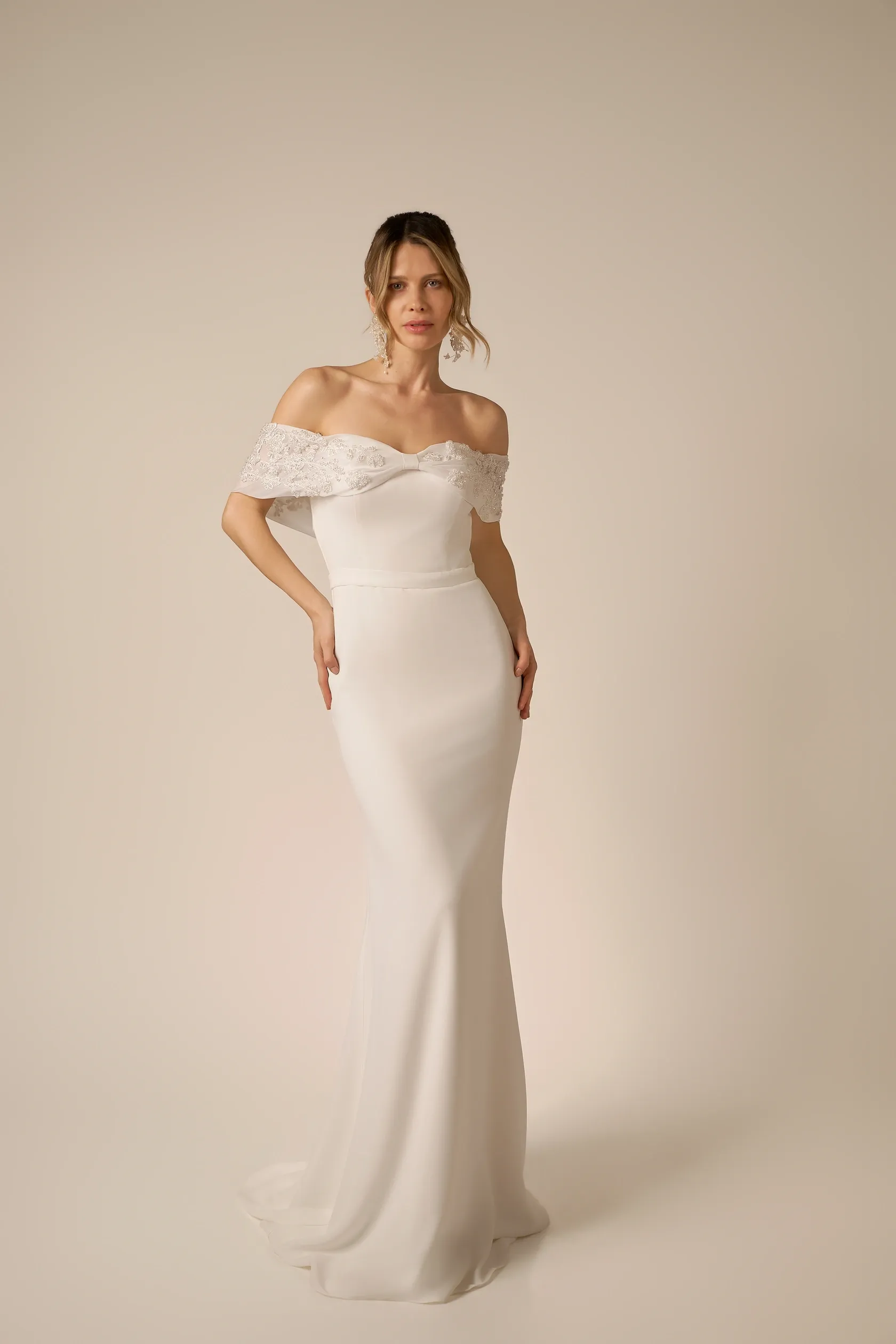
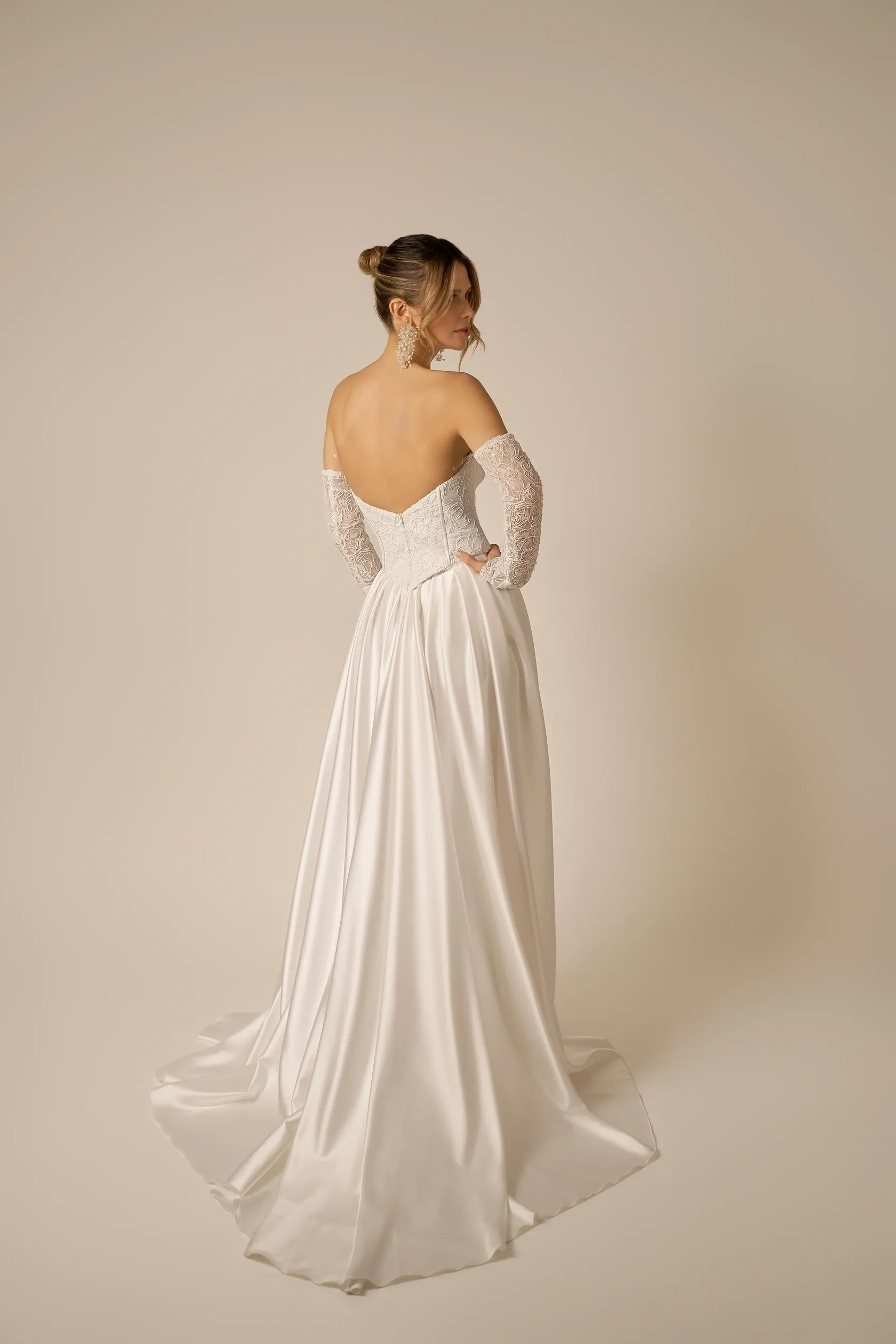
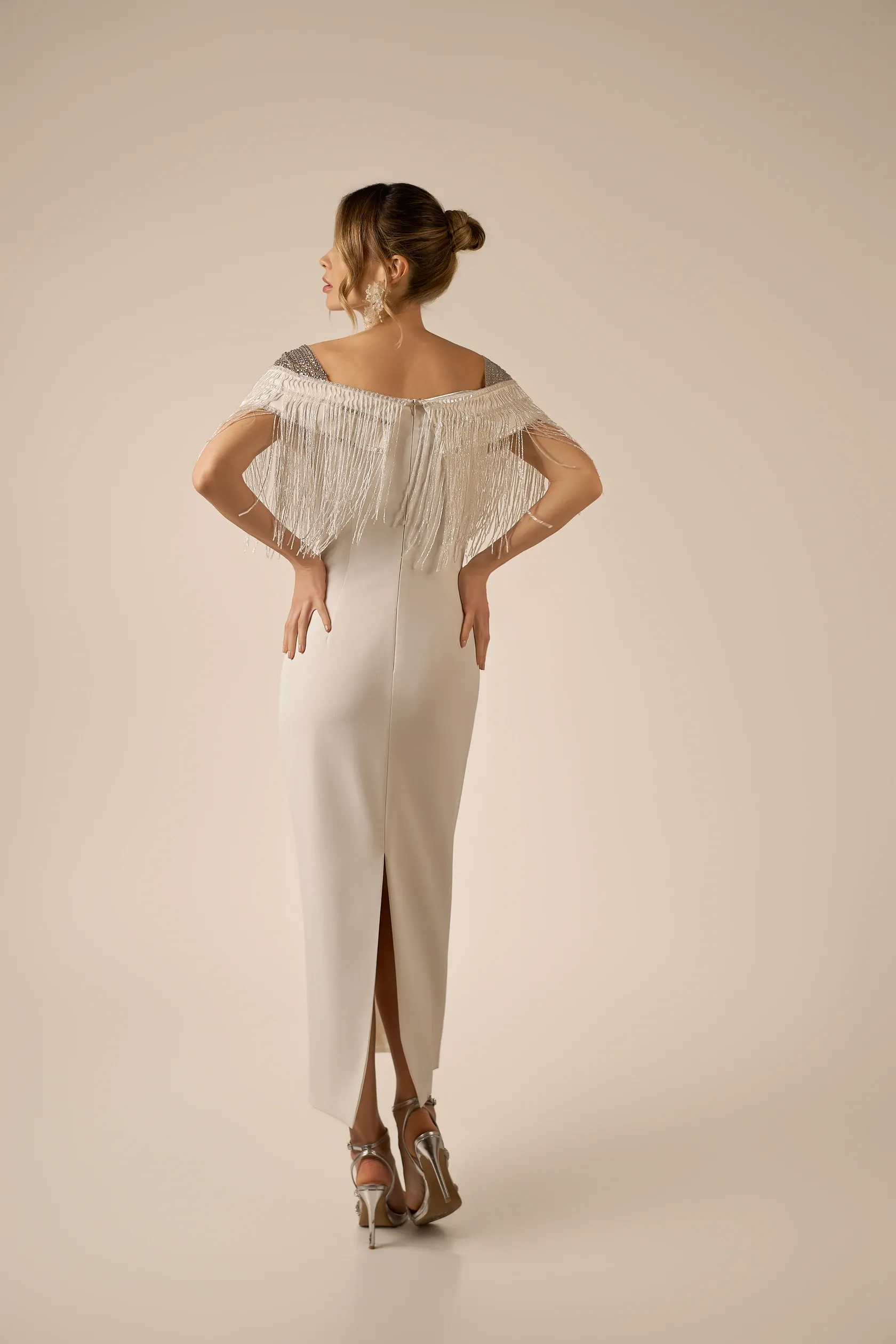
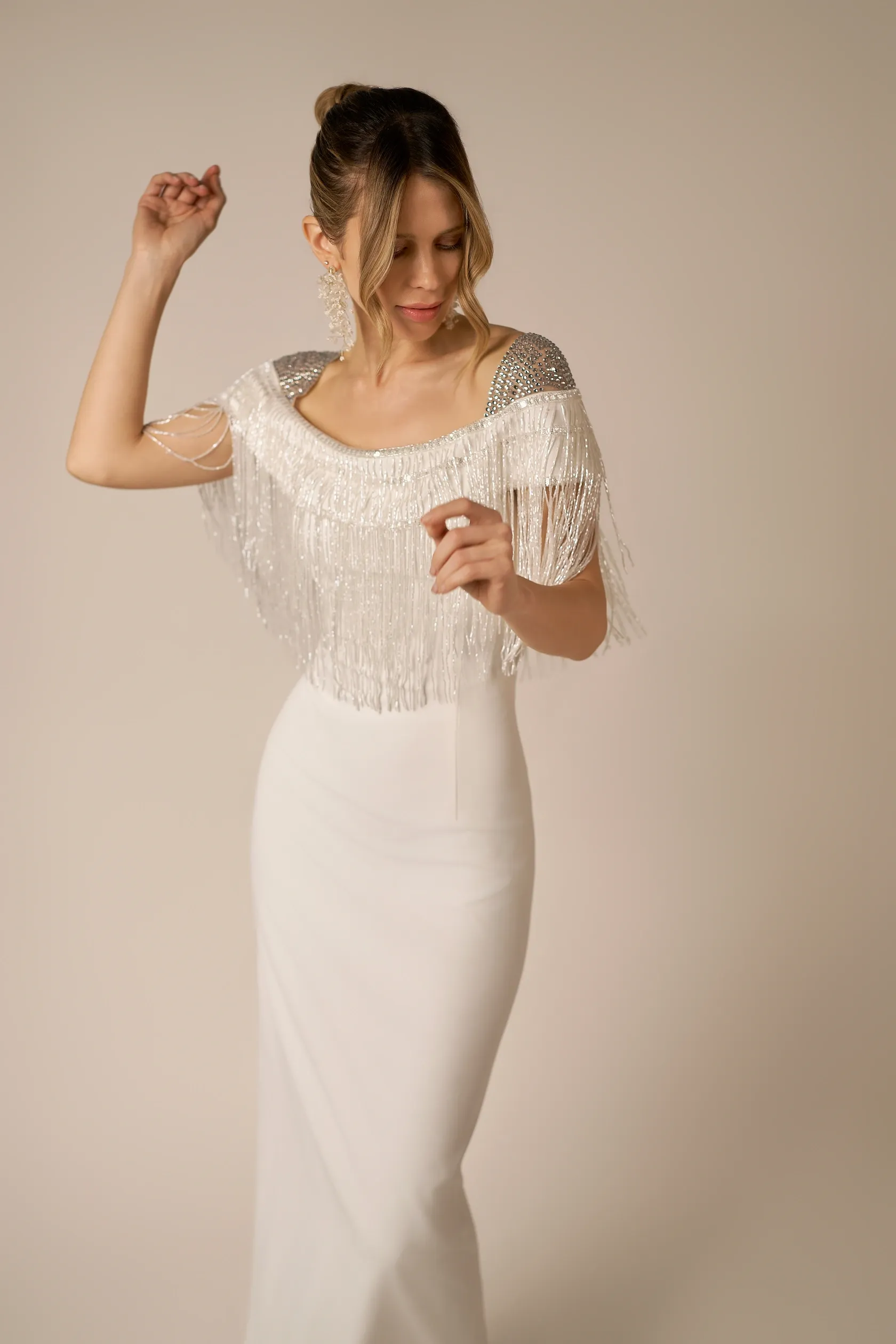
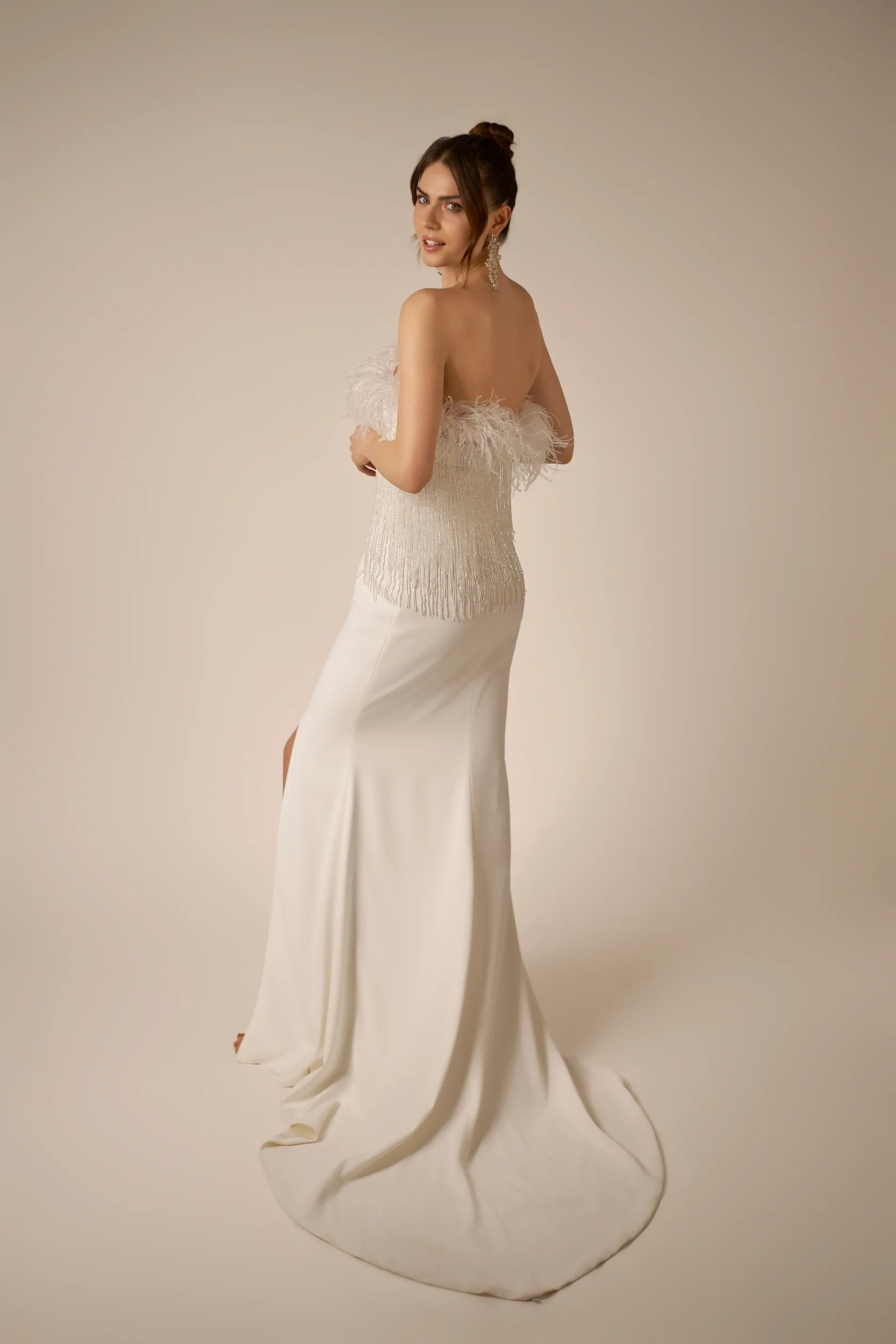
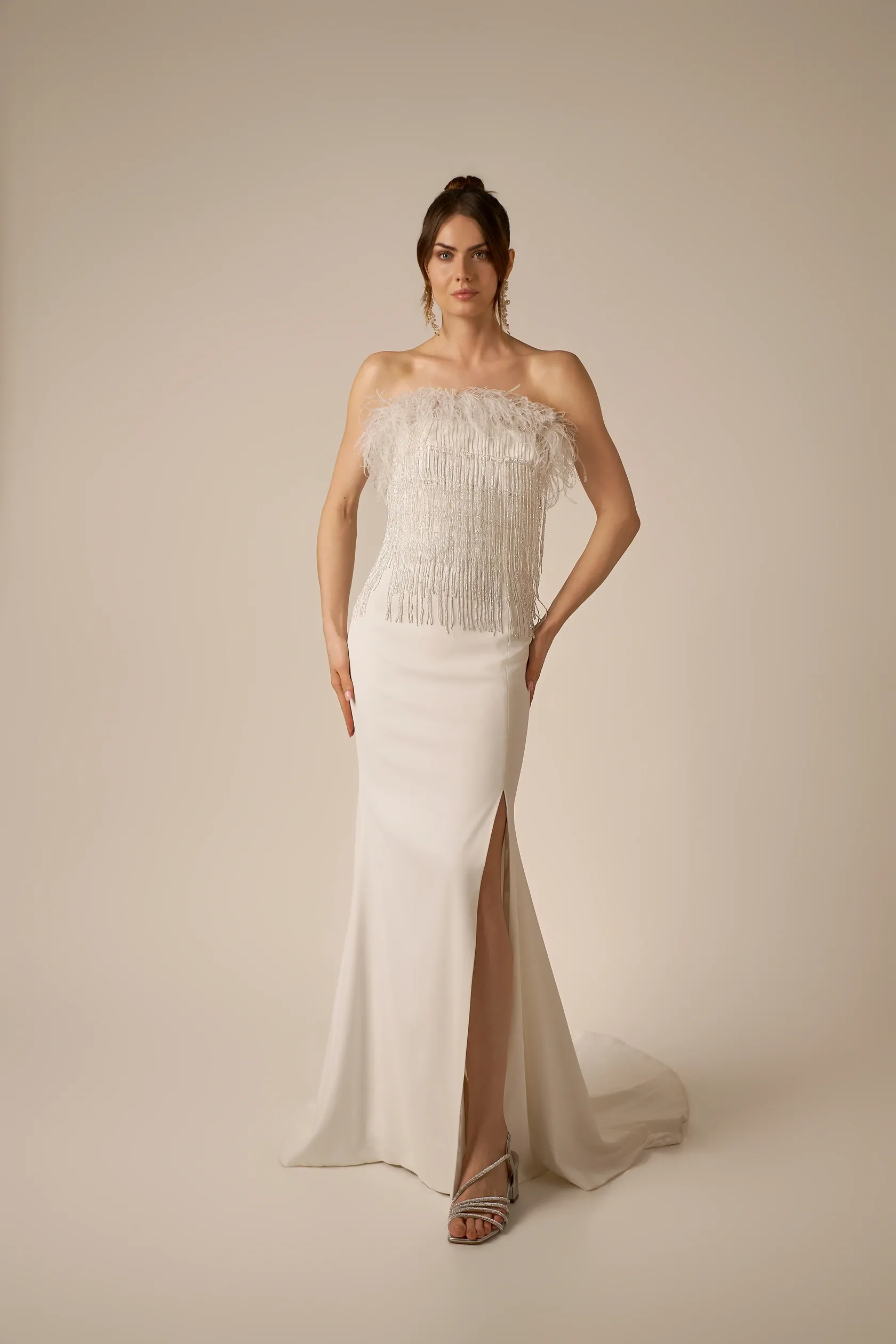
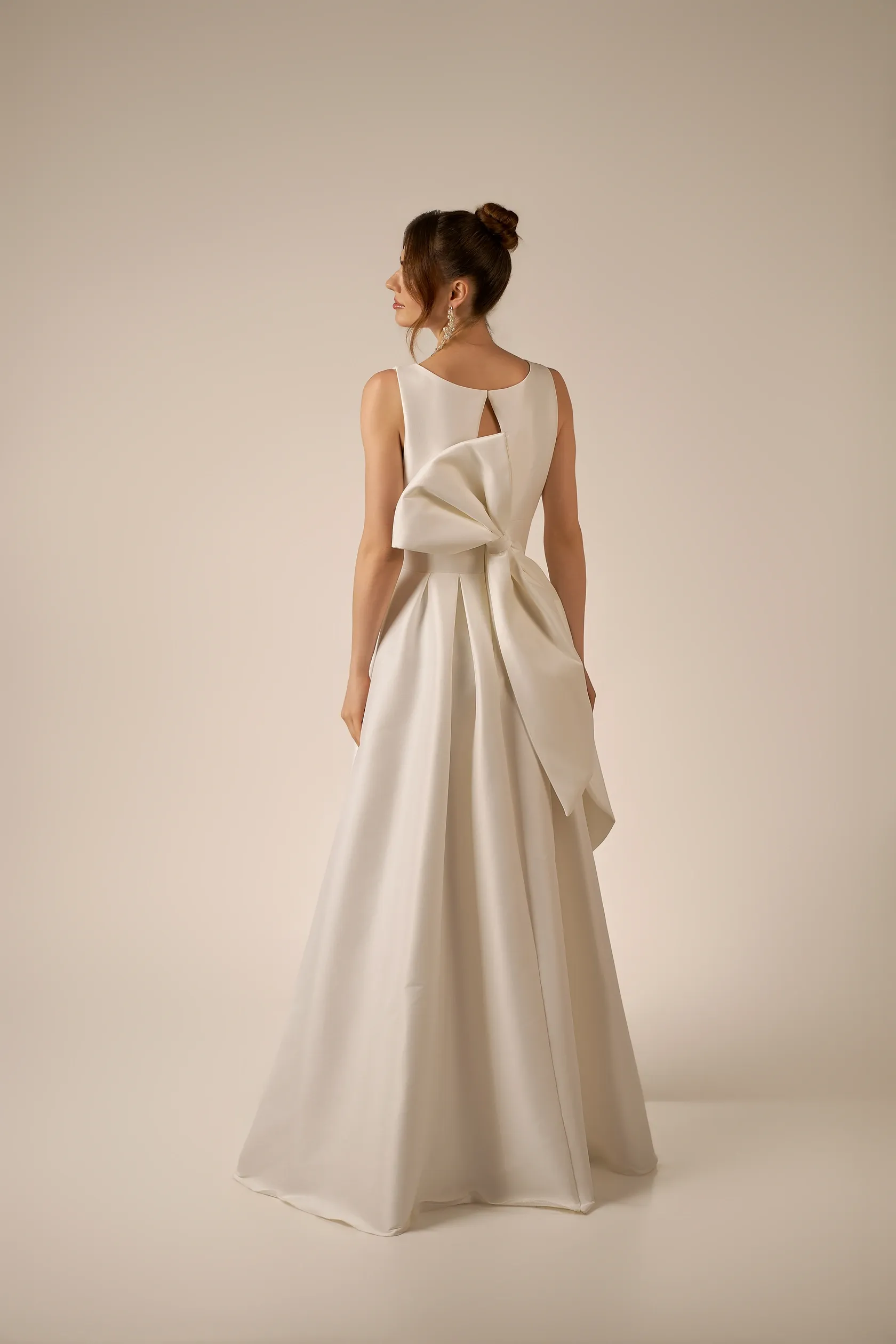
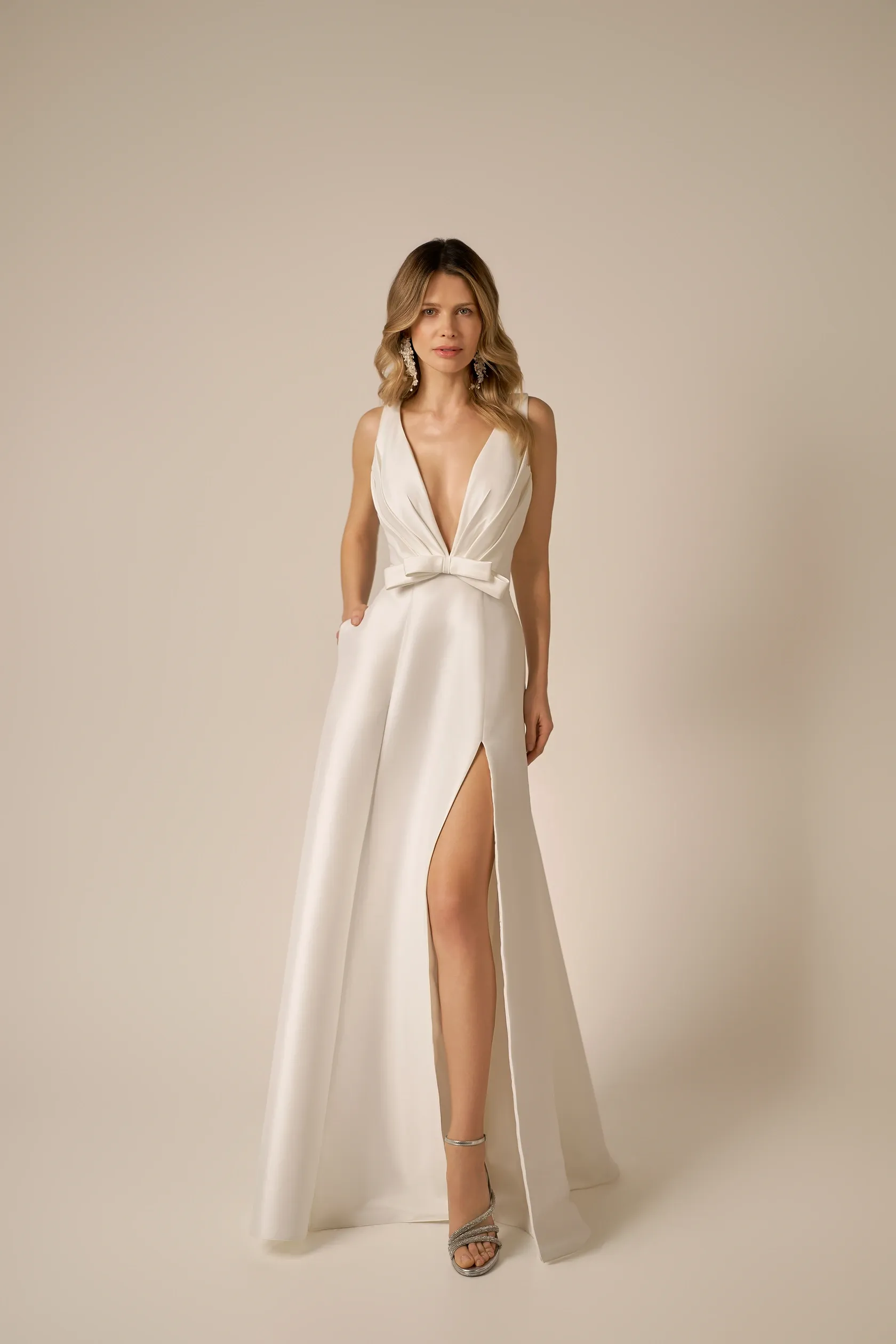
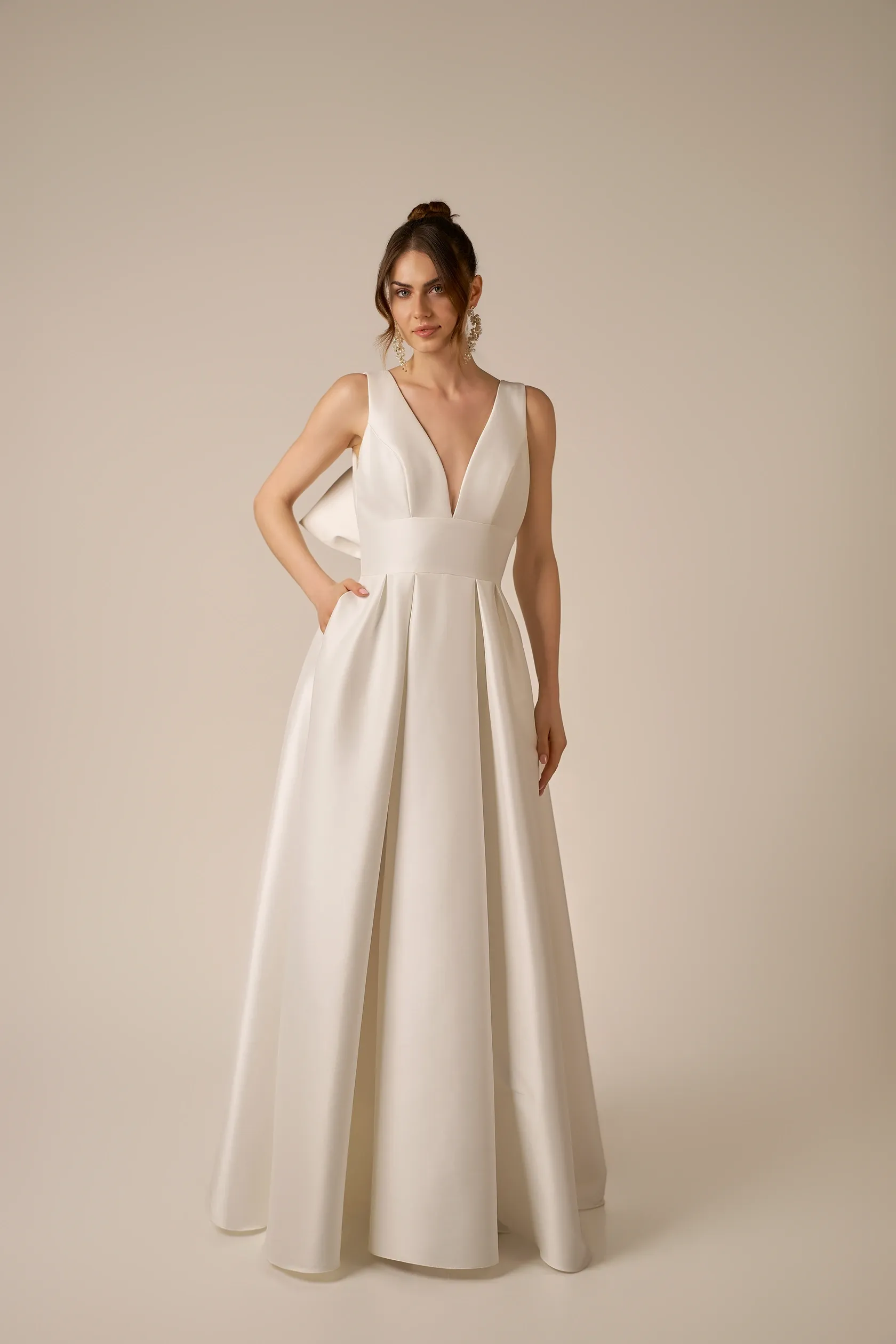
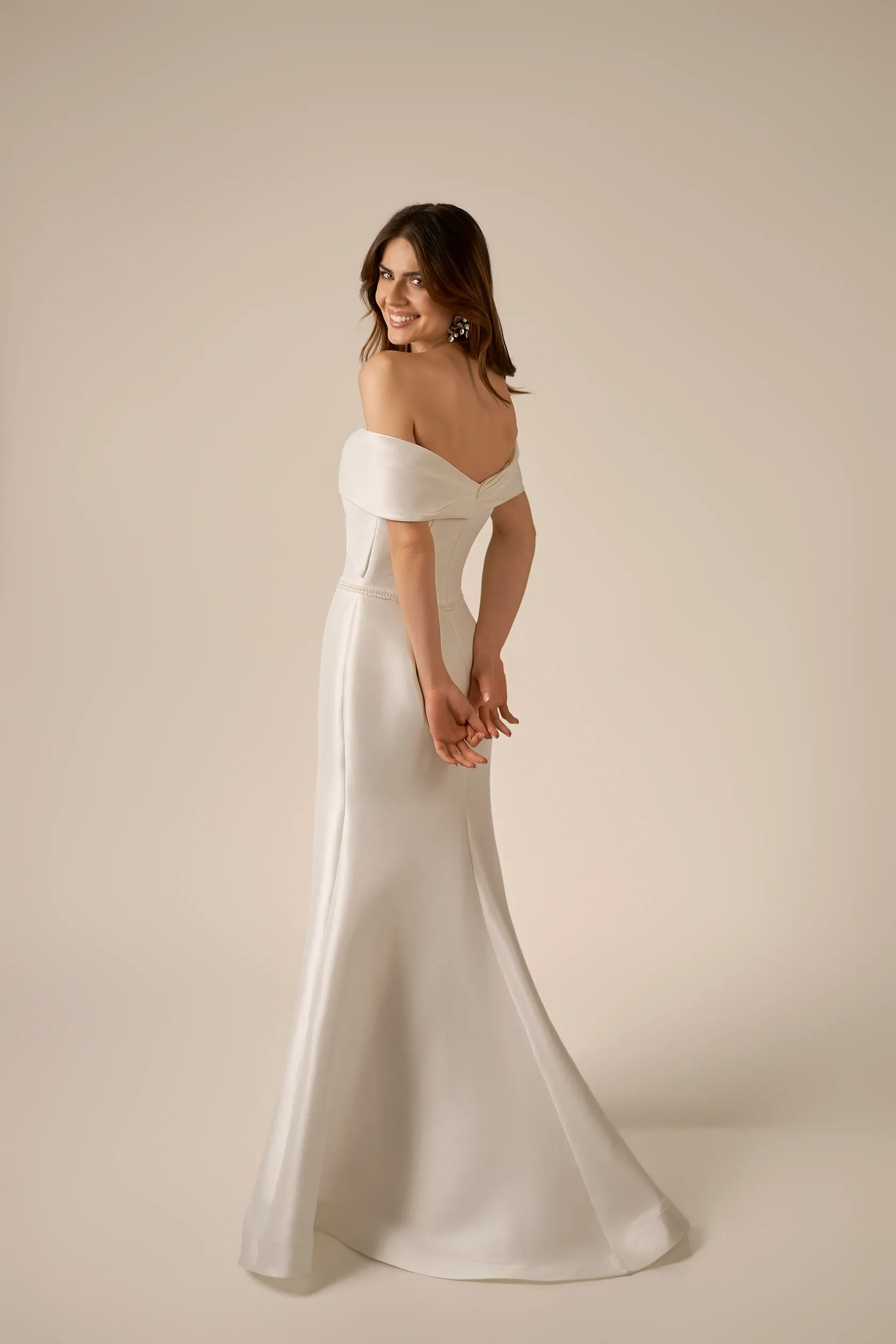
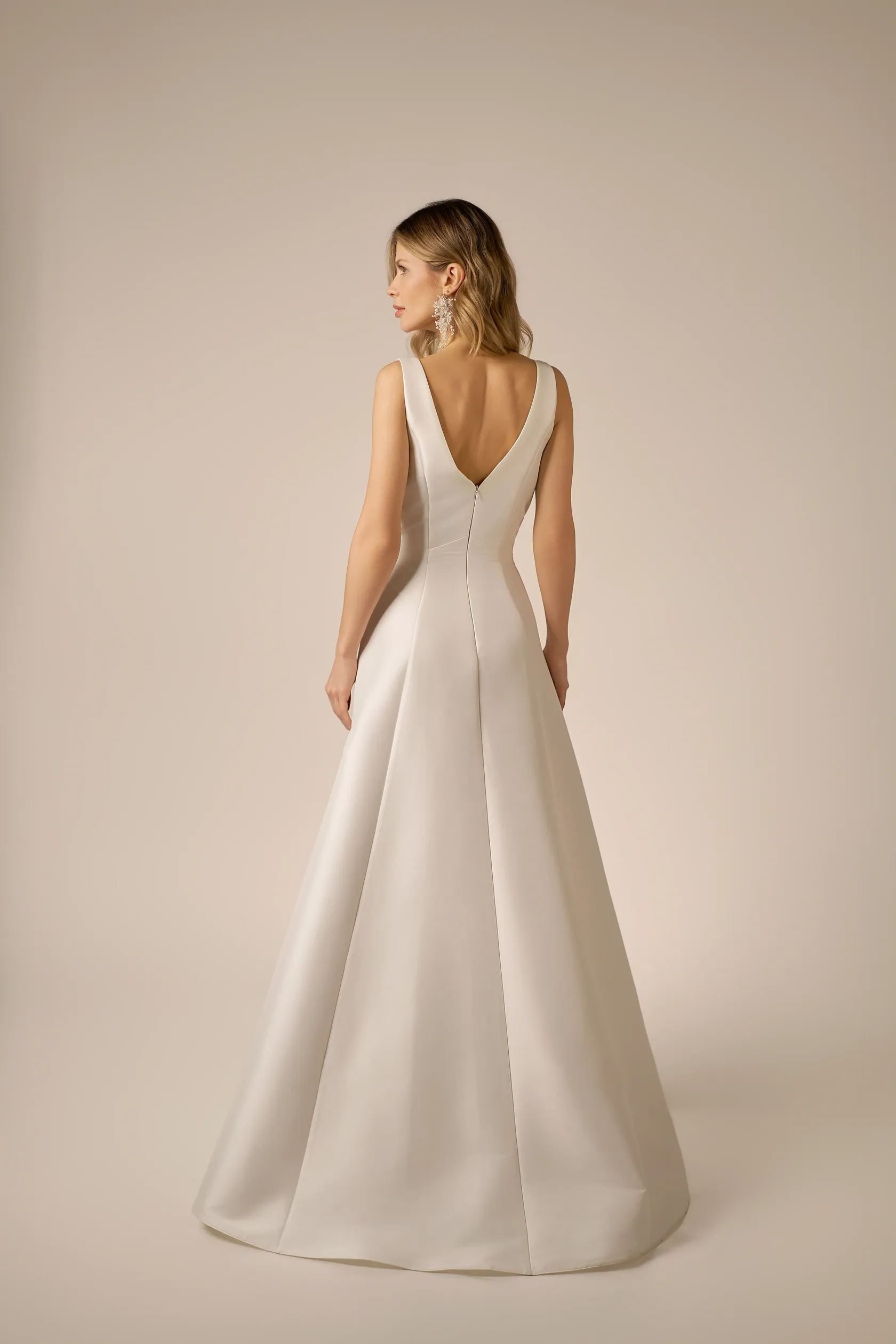
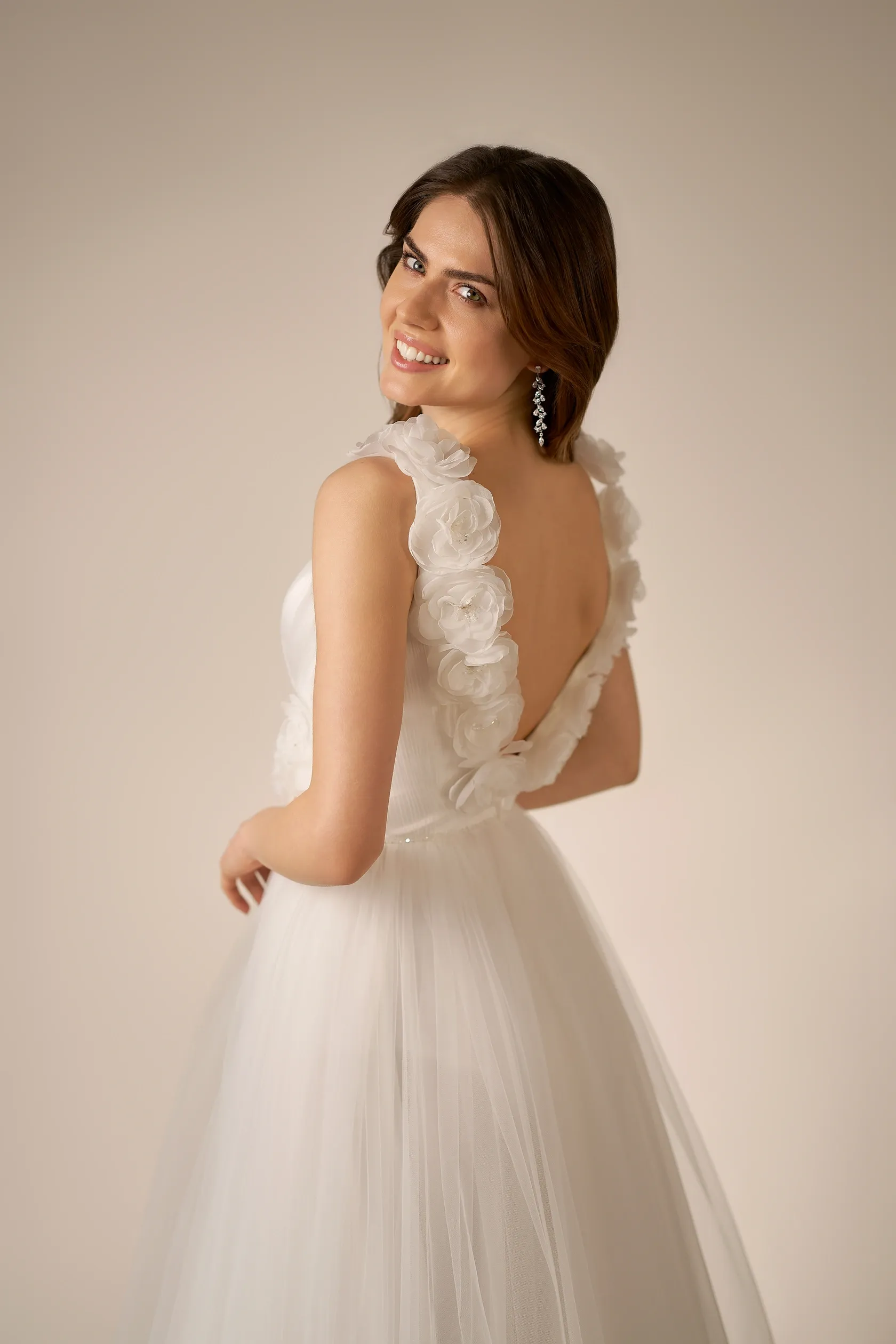
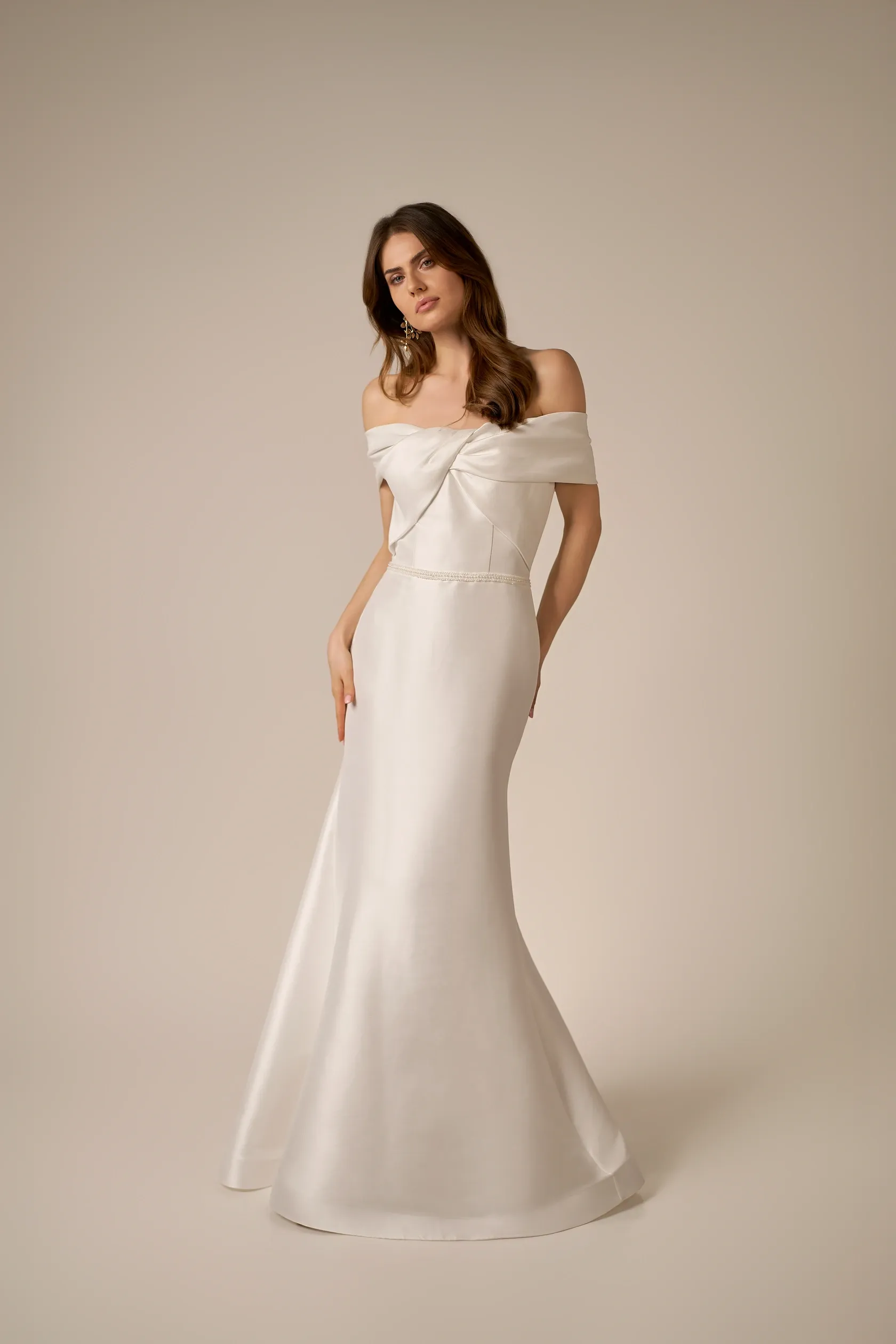
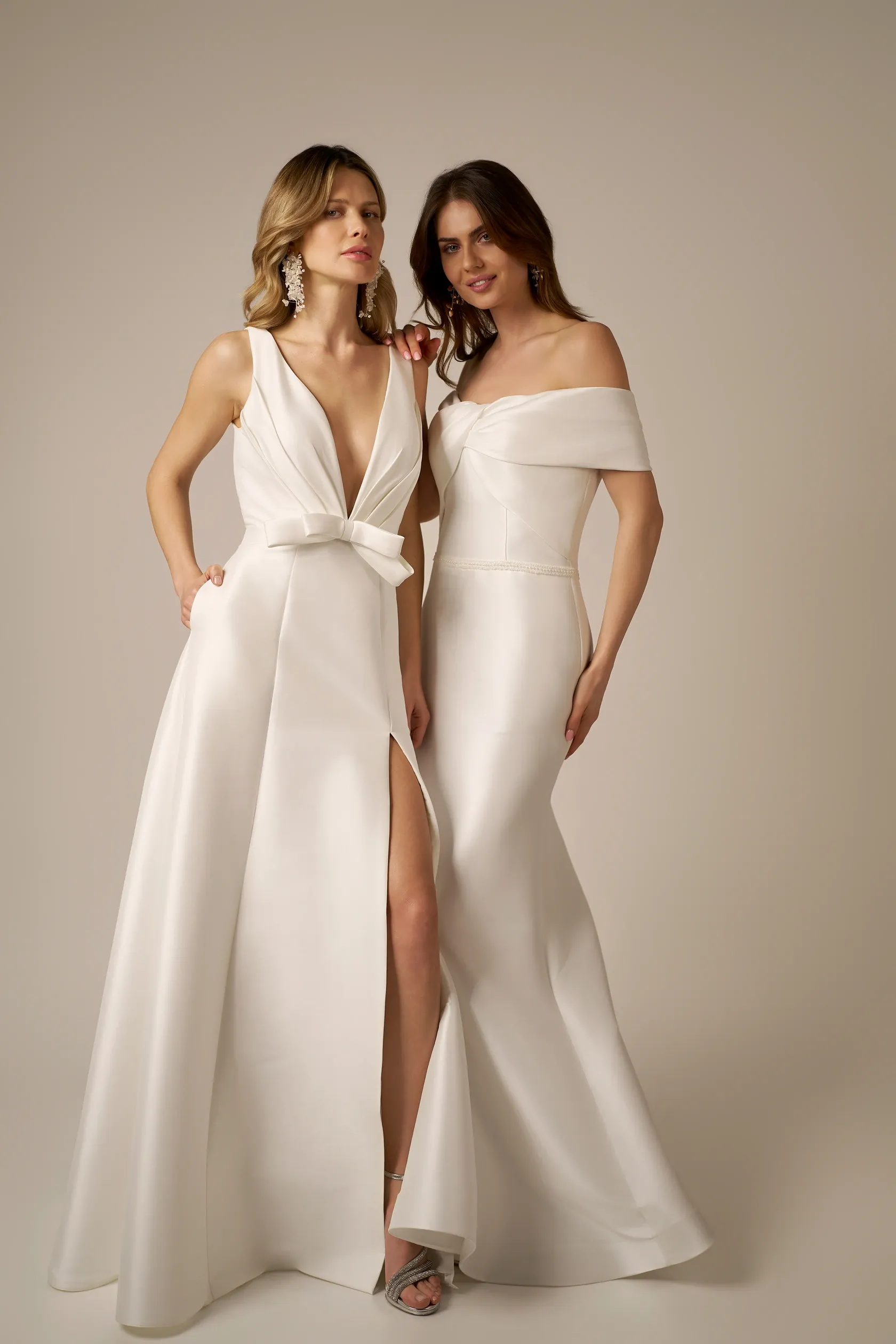
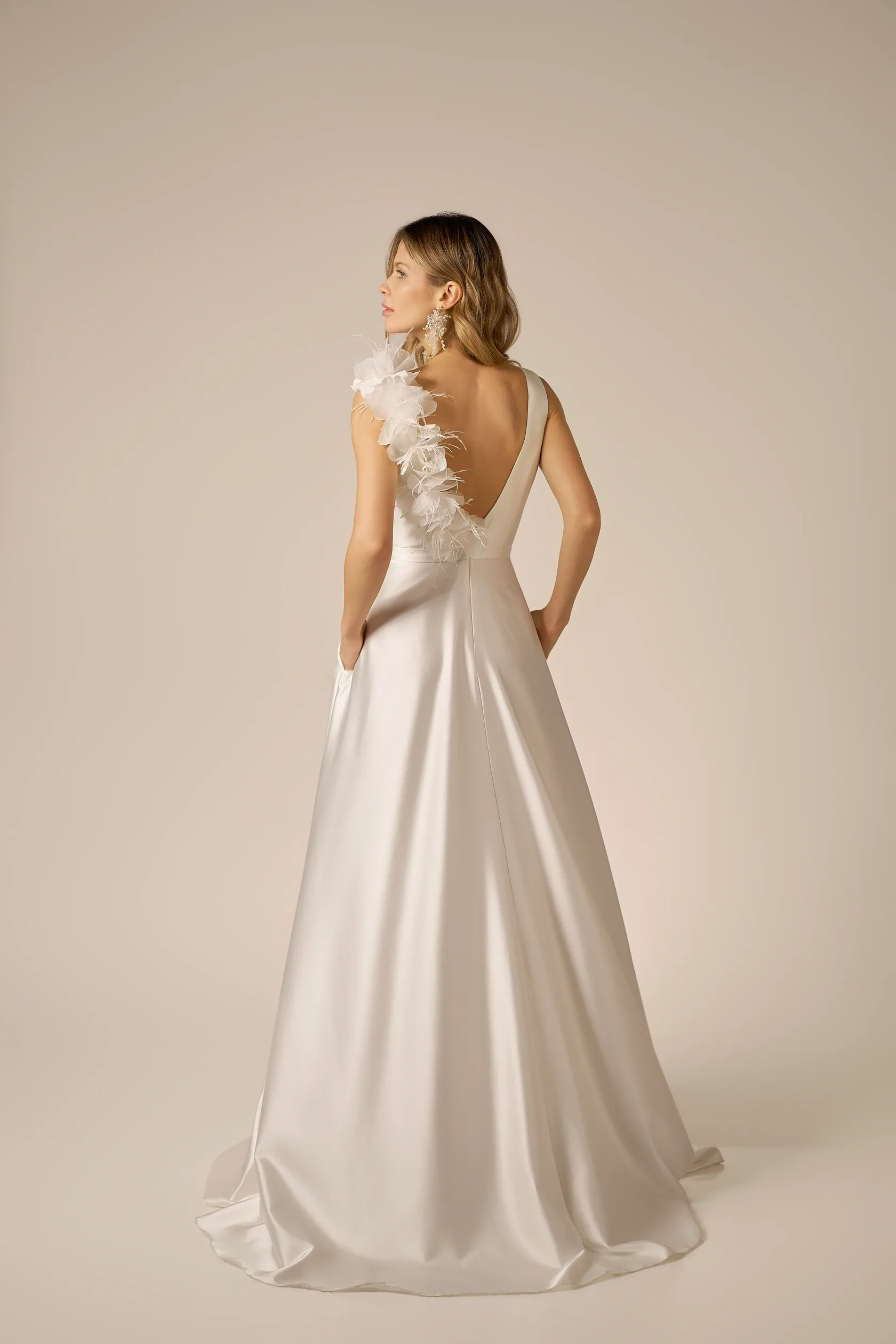
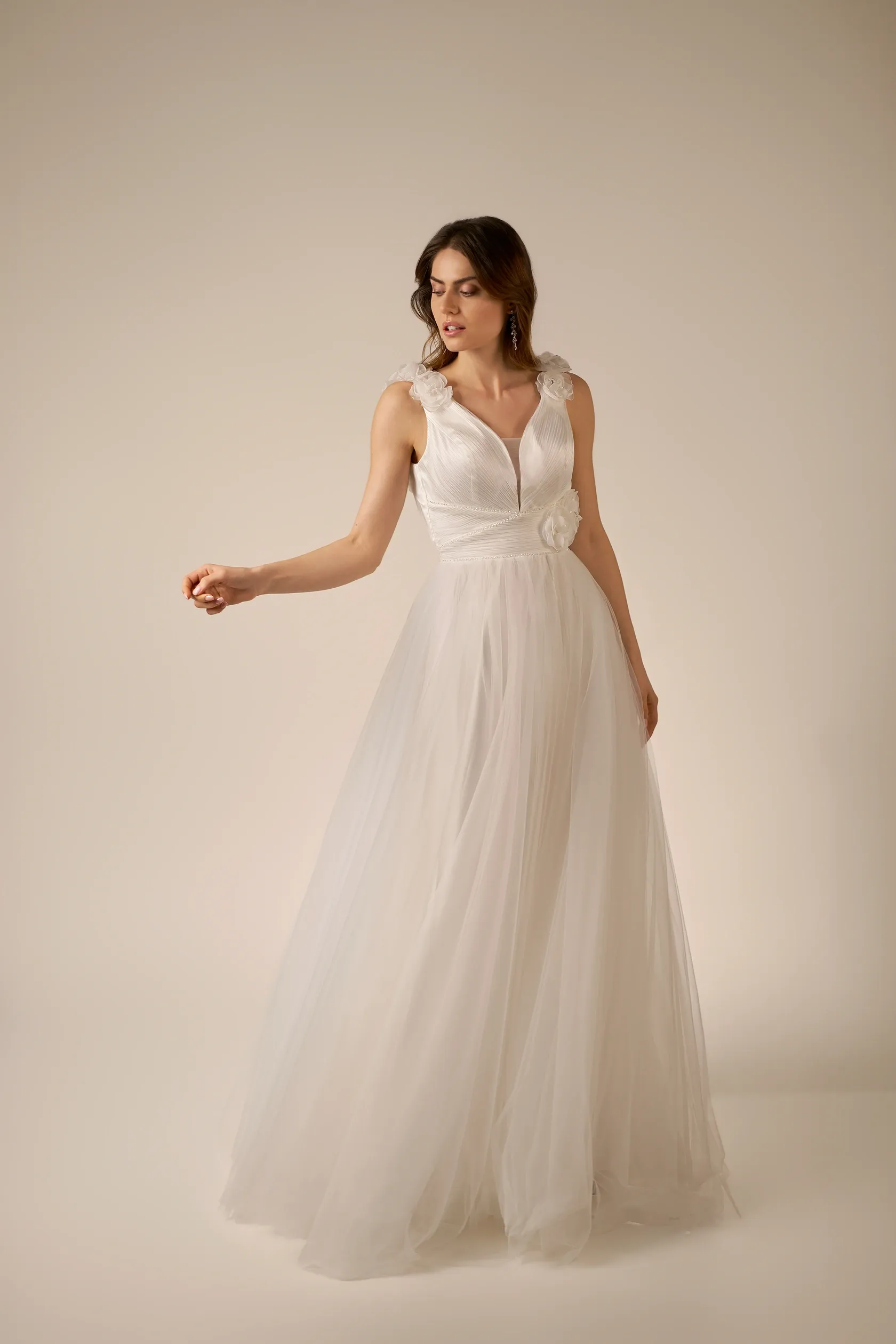
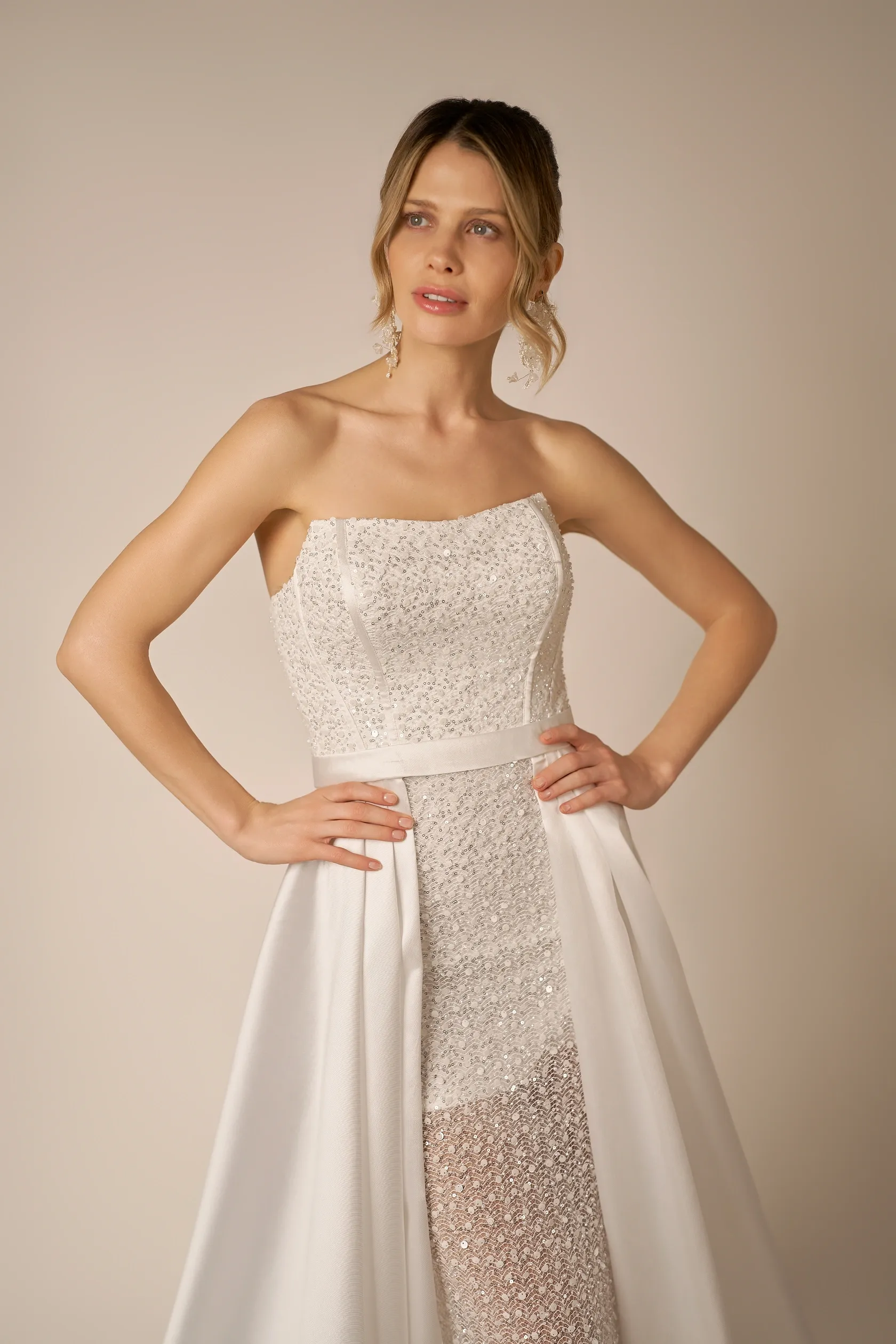
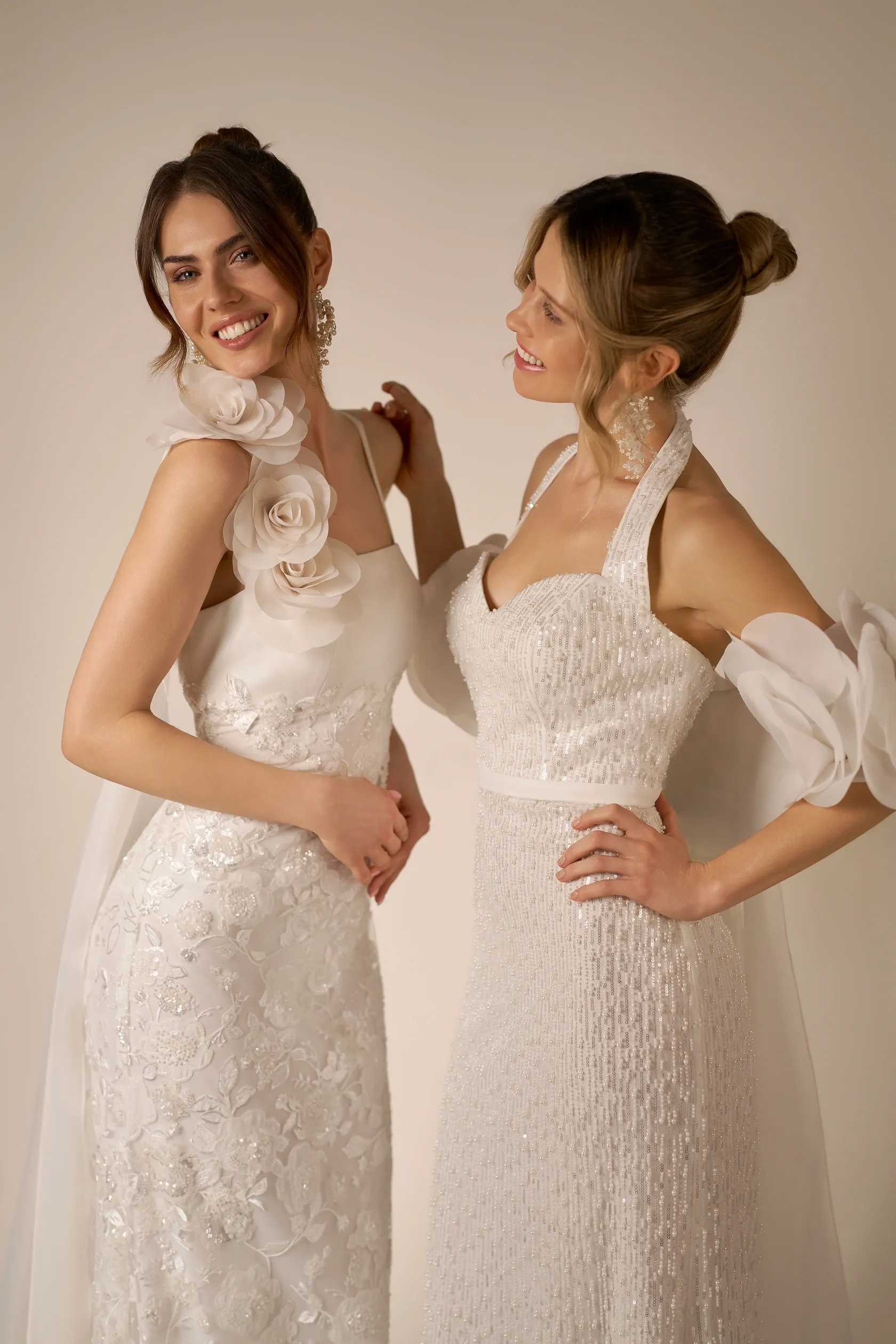
The long wedding dress is the most iconic choice for weddings. Flowing lines, studied volumes and precious fabrics accompany every moment of the day, enhancing the figure and making every entrance truly memorable.
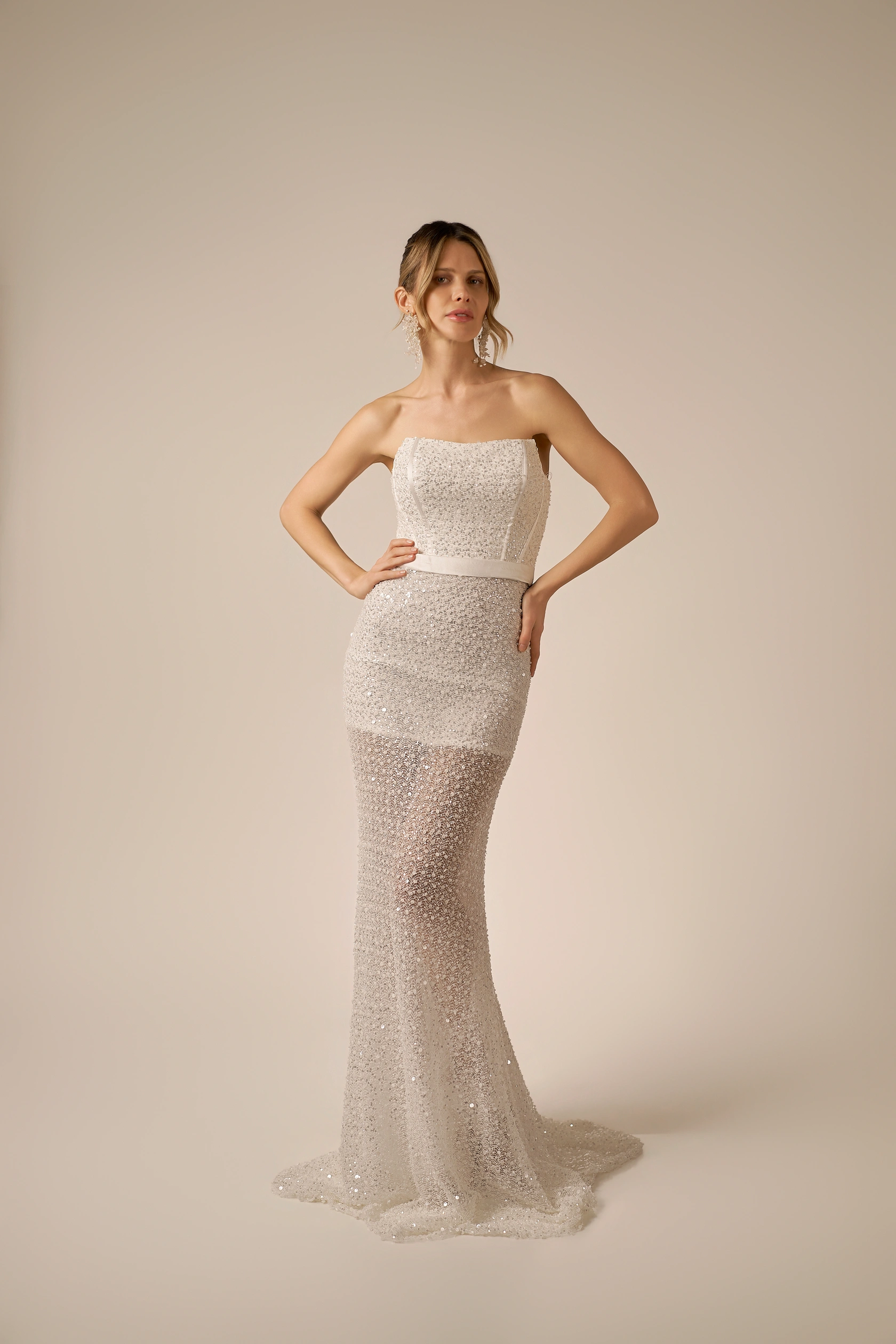
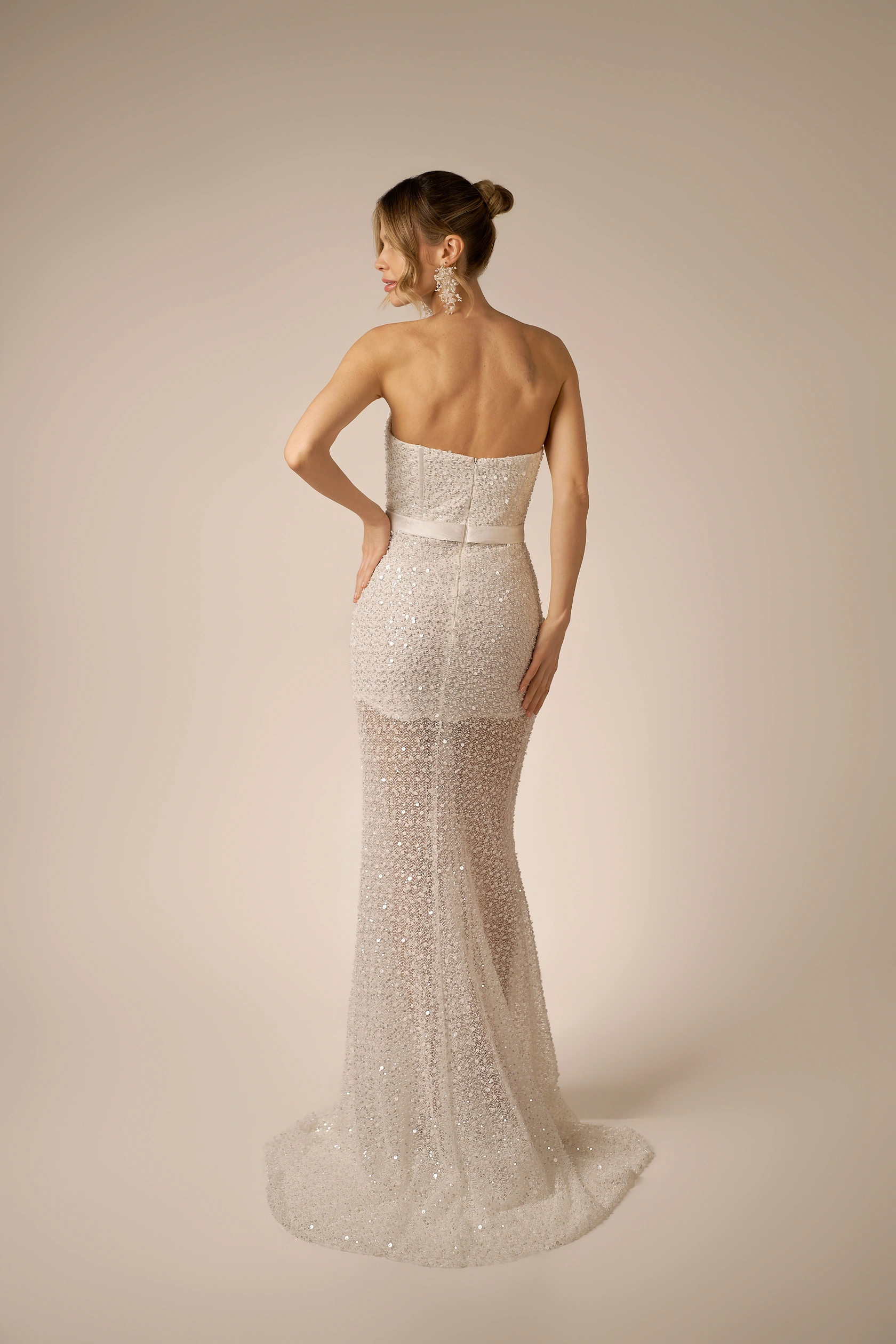
The entrance you’ve always imagined
FAQ
Frequently asked questions about the long wedding dress: everything you need to know to choose the right model, feel comfortable and experience every moment of the wedding with confidence. Find more tips in our Magazine.
To choose a long wedding dress, it is essential to start with three elements: wedding style, fit and personal feel. A dress may look great on paper, but it must really work once worn.
During the rehearsal it is important to move, to sit, to walk: the skirt should accompany the movements without being heavy or cumbersome. The bust must also be well constructed, to support without constricting.
Finally, it is useful to consider the context: a very structured dress is ideal for formal locations, while more fluid models work better outdoors or in more natural settings.
It depends on physicality, but also on how you want to look that day. A-line dresses are among the most versatile because they define the waist and glide down the hips, creating balance.
Tighter-fitting styles enhance straighter silhouettes, while fuller skirts help balance proportions and create a more dramatic effect. The bodice is also crucial: V-necks slenderize, while structured bodices better support and define the figure.
The rehearsal always makes the difference: that’s where you figure out which dress “really works.”
Comfort is one of the most underestimated aspects, but also one of the most important. A long wedding dress should allow you to walk, sit and move without difficulty throughout the day.
It is essential to check the weight of the gown, the structure of the skirt, and the presence of any systems such as a girdle or adjustable train. Many brides choose solutions with removable or hook-and-loop trains to ease the transition to the reception stage.
Shoes also affect a lot: they should be tested along with the dress to avoid problems during the day.
The fabric completely changes the effect of the dress. Lightweight materials such as chiffon and tulle create movement and lightness, ideal for outdoor or summer weddings.
More structured fabrics such as mikado, satin or organza, on the other hand, give more presence and definition, perfect for formal ceremonies or more elegant settings. Lace adds detail and depth, but should be chosen carefully so as not to weigh down the look.
The best choice is always the one that combines aesthetics and comfort: the fabric should not only look good, but also be “livable” for the duration of the wedding.